// Downsizing your home in Snohomish County, WA
Thinking About Downsizing? Less House Could Mean More Freedom.
Downsizing isn't always about getting older or needing a smaller home. Sometimes it's about having less maintenance, fewer expenses, more financial flexibility, or simply finding a home that better fits the way you want to live. If you're considering downsizing in Snohomish County, the first step is understanding what your current home is worth, how much equity you may have, and what your next home could look like. Curt Simmons has been helping homeowners buy and sell real estate throughout Snohomish County since 2003. He can help you evaluate your options, prepare your current home for sale, and create a practical plan for your next move.
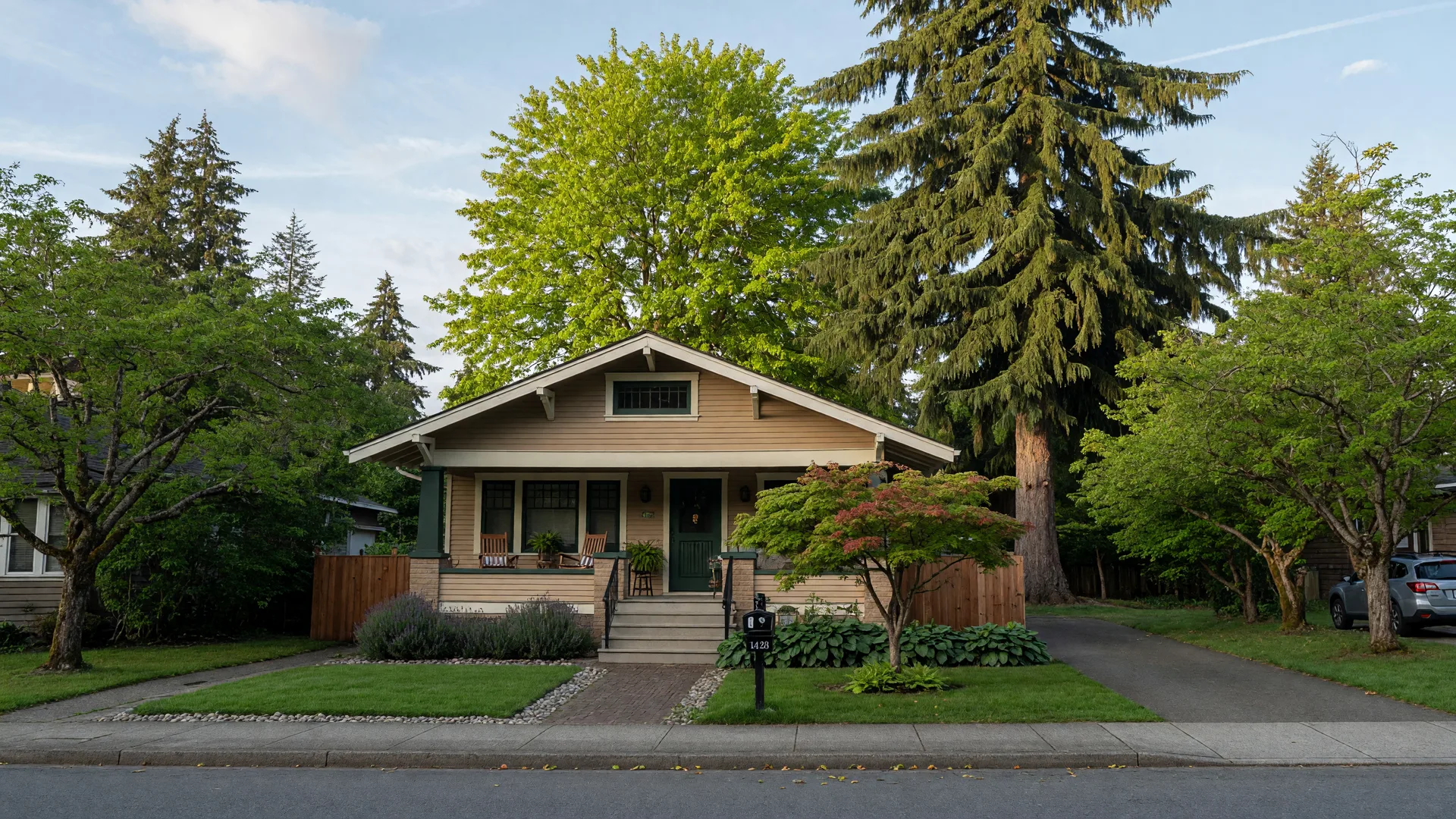
A home that fits your life, not the other way around
// Why work with Curt
How Curt Simmons Can Help
Downsizing is more than finding a smaller house. It is a coordinated sale and purchase, and Curt brings two decades of local experience plus a builder's eye and a hands-on approach to both sides.
Understanding Your Home's Value and Equity
Curt provides a comparative market analysis and estimated seller proceeds so homeowners understand their financial position before making a decision. That means separating a home's estimated market value from its mortgage balance, selling expenses, and the net proceeds you can actually plan around.
Preparing a Longtime Home for Sale
Many homeowners have lived in their properties for years and are unsure which updates or repairs are necessary. Curt's extensive residential and commercial construction background helps him evaluate property conditions and identify improvements worth considering before listing, with an emphasis on practical preparation rather than automatically recommending expensive renovations.
Finding a Home That Better Fits
Curt helps homeowners explore different property types, including smaller single-family homes, single-level homes, townhomes, condominiums, and lower-maintenance properties, always focused on your personal needs, preferences, budget, and lifestyle.
Coordinating Selling and Buying
Curt helps clients decide whether to sell first, buy first, or coordinate both transactions through appropriate contingencies and financing arrangements, so the timing and the money side line up before either one starts.
Making the Transition Easier
Curt's hands-on approach, proactive communication, negotiation skills, local knowledge, and ability to coordinate real estate timelines keep the process organized from listing to closing. For moving, organizing, legal, financial planning, or estate services, he coordinates the right local professionals rather than providing those services himself.
// A question of fit, not age
Is It Time for a Home That Fits Your Life Today?
Downsizing is not something you do because of age. It is a practical decision about how you want to live, and the right time is different for every homeowner. These are some of the common reasons homeowners in Snohomish County start thinking about a smaller home.
Rooms or extra space you rarely use.
Increasing maintenance responsibilities.
Wanting a single-level or more accessible home.
Reducing time spent on yardwork or upkeep.
Exploring lower overall housing expenses.
Unlocking home equity for other financial goals.
Moving closer to activities, services, or family.
Simplifying homeownership and enjoying more flexibility.
| Compare | Staying in your current home | Downsizing to a smaller home |
|---|---|---|
| 01 | Keep the space, the yard, and the neighborhood you already know. | Less space to clean, heat, cool, and maintain, with potentially lower utility and upkeep costs. |
| 02 | No selling costs, no move, and no change to a mortgage you may have had for years. | Sale proceeds can become the down payment on your next home or fund other goals. |
| 03 | Maintenance, taxes, insurance, utilities, and any HOA costs continue at current levels. | A smaller home is not automatically cheaper: your next purchase price, mortgage rate, taxes, insurance, and HOA dues all matter. |
| 04 | Equity stays tied up in the property until you sell or borrow against it. | You give up the space, yard, or location you have today, and a move always has costs of its own. |
One honest caveat: a smaller home is not automatically cheaper. Mortgage rates, HOA dues, insurance, taxes, utilities, and your current home equity all affect the real comparison. The table above is a starting point; your own numbers tell the full story.
// The money side, plainly
What Could Downsizing Mean for Your Finances?
The financial answer depends on your home's value, your equity, what you owe, what your next home costs, and the expenses on both sides of the move. Here is what goes into that picture, in plain language.
The low-rate mortgage question, head on.
A real objection, worked through with real numbers
Many long-time Snohomish County homeowners carry substantial equity but hesitate to move because replacing an existing low-rate mortgage could push their monthly housing costs up. That is a legitimate concern, and it deserves a straight comparison rather than a sales pitch.
The honest way to evaluate it is to put two sets of numbers side by side: everything you spend on housing today, and everything a replacement home would cost you. The mortgage payment is only part of both columns.
Your housing costs today
- Current mortgage payment, including your interest rate and remaining term
- Property taxes and homeowners insurance
- HOA dues, utilities, and ongoing maintenance
- What your equity is worth, and what it could do for you
A replacement home's full cost
- New mortgage payment at today's rates
- Property taxes, insurance, and HOA dues on the new home
- Utilities and maintenance on the new property
- One-time costs of selling and buying, including the move itself
This page takes no side. You make the call.
Keeping a low-rate mortgage is not automatically right, and giving it up is not automatically a mistake. The answer depends on your own numbers: what the new payment would be, what you would save on upkeep and utilities, and how much the flexibility of a different home is worth to you. Curt can help you quantify both sides with a personalized seller net sheet and an honest conversation with your lender, so you can decide from facts instead of guesswork.
Your Current Home's Equity
Your equity is generally your home's estimated market value minus what you owe on it. Mortgage balances, home equity lines of credit, selling expenses, and other obligations all reduce the proceeds you actually take away from the sale. Curt prepares an estimated net proceeds figure so you know the number you can plan around, not just a listing price.
The Cost of Your Next Home
The purchase price is only part of the picture. Compare mortgage payments, property taxes, insurance, HOA dues, maintenance, utilities, and other ownership expenses across the homes you are considering, so you are comparing the true monthly cost, not just the square footage.
What If You Have a Very Low Mortgage Rate?
Homeowners with historically low interest rates should compare the total cost of moving and buying another home against the benefits of downsizing. Giving up a low-rate mortgage can significantly affect your new payment, so the decision is not automatic either way. This page does not suggest everyone should give up an existing low-rate mortgage; it is a comparison you make with your own numbers.
Selling Expenses
Home sales can include negotiated brokerage compensation, real estate excise tax, title and escrow expenses, concessions, repairs, prorations, and other closing costs. Brokerage compensation is negotiated and not a fixed commission rate, so Curt reviews the actual costs for your transaction with you before you budget around a number.
Tax Considerations
Qualifying homeowners may be eligible for federal capital gains exclusions when selling their primary residence, subject to ownership, use, and other requirements. IRS Publication 523 explains the general rules. Because individual circumstances vary, Curt recommends consulting a qualified tax professional before planning around any tax outcome.
Washington Property Tax Considerations
Washington State offers property tax relief programs for qualifying homeowners, but eligibility rules, income thresholds, and exemption amounts are set by the state and the counties, and they can change. Washington updated parts of its relief framework in 2026 for taxes collected in 2027, so older figures you see online may be out of date. The Washington Department of Revenue and your county assessor's office are the authoritative sources for current eligibility, and relief does not automatically transfer to a replacement home. Verify the current rules there before planning around any program.
Example: what your sale could net
This is a sample illustration, clearly not an estimate for any particular property and not a current-market figure. Your numbers depend on your home's value, your mortgage payoff, and your actual selling costs.
The estimated net proceeds become the starting point for your next-home budget. Curt prepares this same breakdown for your actual home so you can shop with a number you trust.
Tax and excise notes
Federal capital gains
Qualifying homeowners may be eligible for a primary-residence capital gains exclusion under IRS rules. See IRS Publication 523 for the general rules and consult a qualified tax professional about your situation.
Washington property tax relief
Washington offers property tax relief for qualifying homeowners, but income thresholds, exemption amounts, and eligibility rules are set by the state and the counties, and they can change. The state updated parts of its relief framework in 2026 for taxes collected in 2027, so confirm current rules with the Washington Department of Revenue and your county assessor's office rather than relying on figures that may be out of date. A relief exemption does not automatically carry over to a replacement home.
// Your options
Should You Sell Your Current Home Before Buying the Next One?
There are three main ways to approach selling one home and buying a smaller one. Each works well in different situations, and each comes with real tradeoffs. Here is how they compare.
Sell First
You sell your current home, close, and then buy your next home with a clear picture of your budget in hand.
Potential advantages
- Know your available sale proceeds before you shop.
- Reduce the risk of maintaining two properties.
- Make the next purchase with greater financial clarity.
Potential drawbacks
- May require temporary housing between closings.
- May create timing challenges if the right replacement home is unavailable.
Buy First
You purchase your next home before selling your current one, using financing arrangements that bridge the gap.
Potential advantages
- More time to find the right replacement property.
- May allow moving before preparing the existing home for sale.
Potential drawbacks
- May require additional financing or cash reserves.
- Could involve carrying costs for two properties.
Coordinate Both Transactions
A carefully structured contingent offer or coordinated closing can help some homeowners line up both transactions.
Potential advantages
- One coordinated strategy for the sale and the purchase.
- Sale proceeds and the next purchase can line up together.
Potential drawbacks
- Sellers may weigh contingent offers differently.
- Financing, contractual deadlines, seller acceptance, and backup plans all shape the outcome.
Coordinating both takes planning
Financing, contractual deadlines, seller acceptance, and backup plans all shape whether a coordinated sale and purchase works for you. For a deeper look at selling first, buying first, and contingent offers, see the dedicated page below.
Buying & Selling at the Same Time// Practical preparation
You Don't Have to Remodel Everything Before Selling.
After years in one home, the list of possible projects can feel overwhelming. Curt helps you prioritize preparation so you spend money where it matters and skip the rest. Some homes are best sold in their existing condition, and improvement decisions should be based on the property's condition, market expectations, costs, and expected benefits. No one can promise that every renovation will increase the sale price.
Decluttering and organizing
Reducing clutter makes rooms read larger and lets buyers picture their own belongings in the space.
Deciding what to keep, donate, sell, or move
A practical sorting plan for decades of belongings, started well before listing.
Evaluating cosmetic updates
Neutral paint, hardware, and light fixtures can help in some homes, but not every update returns its cost.
Identifying repairs that may affect marketability
Curt's construction background helps separate the repairs that protect value from the projects that are not worth the expense.
Landscaping and curb appeal
Simple yard care and a clean entry create a strong first impression without a full remodel.
Professional photography
Bright, high-quality photos and virtual tours help your home reach more buyers.
Staging consultations
Guidance on furniture placement and presentation to help buyers see the home at its best.
A practical pricing and marketing strategy
Realistic pricing based on comparable sales and a marketing plan tailored to the property.

Hands-on listing preparation
Curt's construction experience lets him walk through your home like a builder, identifying what matters and what does not, so you prepare for buyers without over-improving.
Sell it well, not over-improved
The goal is a home that shows well and is priced right, not a renovation project. Curt helps you separate the improvements that protect value from the ones that will not return their cost, and he is honest about when selling as-is is the smarter move.
// Your next home
What Does Your Next Chapter Look Like?
There is no one right type of downsized home, only the type that fits how you want to live. These are the options Curt helps homeowners compare across Snohomish County, from Marysville to Lake Stevens, Snohomish, Everett, Arlington, Monroe, Lynnwood, Edmonds, and surrounding communities.
Whichever type fits, compare the total cost of each option and review HOA documents carefully before you commit. Neighborhood guidance here stays general: the right community for you depends on your household, budget, and preferences, not on assumptions about age or family type.
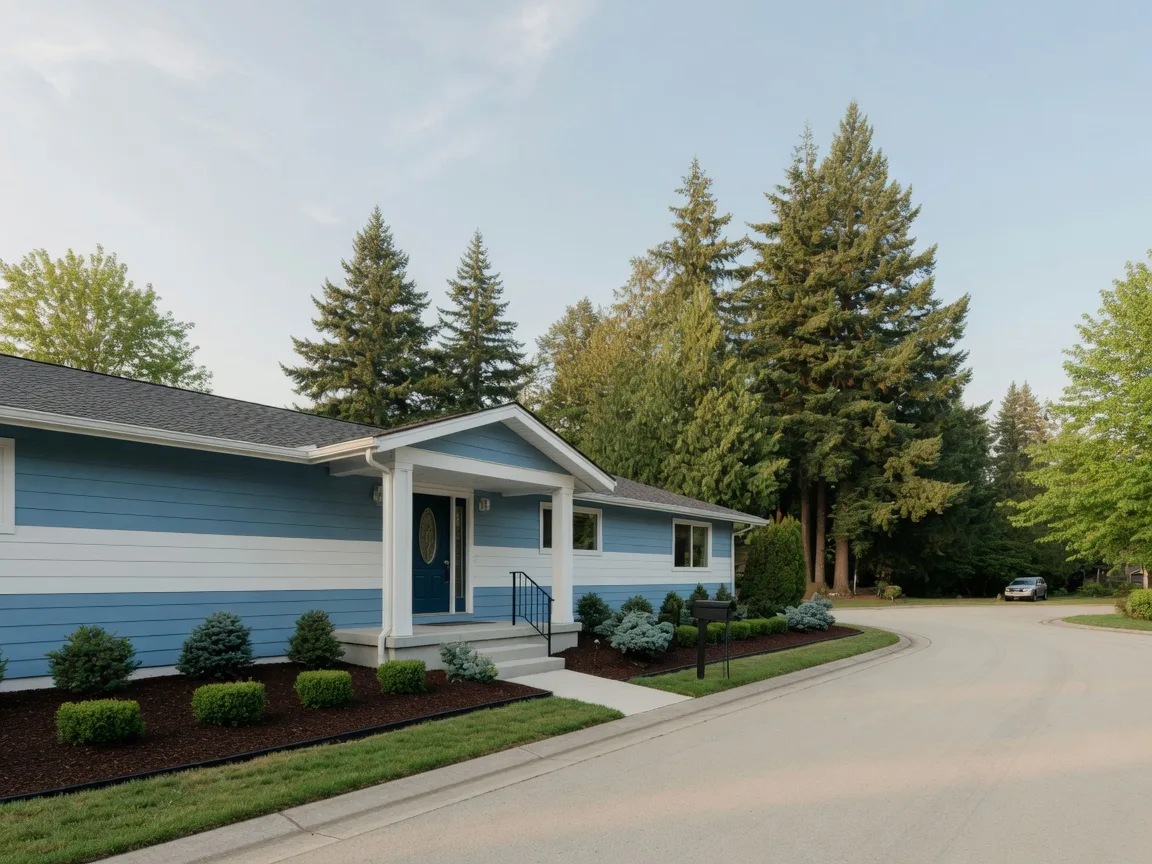
Less upkeep, more of what matters to you
Smaller Single-Family Home
Potentially less space while maintaining a detached home and a yard. A good fit when you want to keep the character of a house but give up unused rooms.
Single-Level Home
May offer a layout preferred by homeowners wanting fewer stairs, with all living spaces on one floor.
Townhome
May provide a different balance of space, convenience, and exterior maintenance responsibilities, often with shared walls and some HOA-managed upkeep.
Condominium
May offer reduced exterior maintenance responsibilities, but can involve association fees, rules, reserves, and special assessments. Review the HOA documents carefully before buying.
Low-Maintenance Property
Smaller lots, newer construction, and properties with manageable upkeep can simplify homeownership while still feeling like a home of your own.
// The path to your next home
My Five-Step Downsizing Plan.
Downsizing works best when it is planned as one coordinated move. Here is the sequence Curt follows to keep it organized from your first question to your closing.
Let's Talk About Your Goals
Understand what you want to change and what matters most in the next property: size, layout, location, budget, and lifestyle.
Determine Your Current Home's Value
Review comparable sales, property condition, mortgage obligations, and estimated net proceeds so you know what you have to work with.
Explore Your Next Home Options
Evaluate property types, locations, price ranges, financing, and the best order for selling and buying based on your situation.
Prepare and Sell Your Current Home
Develop a preparation, pricing, photography, and marketing plan suited to the property, with Curt helping you prioritize what is worth doing.
Coordinate Your Next Move
Manage transaction deadlines, negotiations, escrow, closing, and possession arrangements across both sides of the move.
// Q & A
Frequently Asked Questions About Downsizing in Snohomish County.
Straight answers to the questions homeowners ask most when they consider selling a larger home and moving into a smaller one. Search the list, or ask Curt directly and your question becomes the next good answer.
Want a plan for your situation?
Every downsizing situation is different. Curt can help you evaluate your equity, your timeline, and which property type makes sense before you commit to either transaction.
Get My Personalized Downsizing Plan01 How do I know if it's the right time to downsize?
There is no universally correct time, and the right moment is personal. Common signals include rooms you rarely use, maintenance that no longer feels worth it, a desire for a single-level layout, or a goal of reducing monthly expenses. The financial side matters too: your home equity, what you may net from a sale, what a replacement would cost at current rates, and how the local market is behaving all factor in. Rather than waiting for a perfect moment that never arrives, start with the numbers. Curt can help you see your home's likely value, your estimated proceeds, and what your next home could cost, so you can decide based on facts instead of guesswork.
02 Should I sell my house before buying a smaller one?
Not always, and the right order depends on your finances, your market, and your comfort with a few moving pieces. Selling first gives you the clearest budget, avoids carrying two properties, and reduces the risk of being stuck with two payments, but it may mean temporary housing or timing pressure. Buying first gives you more time to find the right home and lets you move before preparing the current one, but it usually requires extra financing or cash reserves and can mean carrying two properties. A third option is coordinating both transactions through a structured contingent offer or coordinated closing, which depends on financing, deadlines, and seller acceptance. Curt walks through all three with your real numbers before you choose.
03 How much money will I have left after selling my home?
Your net proceeds equal the estimated market value minus your mortgage balances, selling expenses, liens, and any other obligations against the property. That includes negotiated brokerage compensation, real estate excise tax, title and escrow costs, concessions, repairs, prorations, and more. The way to get a real number is a personalized seller net sheet prepared for your property, not a rule of thumb. Curt prepares an estimated net proceeds analysis from comparable sales and your actual payoff and cost information, so you know what you will likely walk away with before you plan your next purchase around it.
04 Will downsizing actually save me money?
It can, but a smaller home does not automatically mean lower monthly costs. Your savings depend on the purchase price, your new financing and mortgage rate, property taxes, insurance, HOA fees, utilities, maintenance, and the transaction expenses of both selling and buying. A smaller home in a higher-cost area or with significant HOA dues can cost as much as or more than a larger home. The honest answer comes from comparing your current all-in costs against the projected costs of the homes you are considering. Curt can help you lay both sets of numbers side by side so you can see whether downsizing actually improves your monthly picture.
05 Should I downsize if I have a 3% mortgage rate?
A historically low mortgage rate is a real financial asset, and giving it up can significantly affect your new payment, so the decision deserves a careful comparison. Compare your current payment, remaining balance, and equity against the total cost of a replacement property: purchase price, new rate, taxes, insurance, HOA dues, maintenance, and the cost of selling and moving. In some cases the savings in space, maintenance, or lifestyle are worth a higher payment; in others the numbers do not work. There is no automatic answer, which is why Curt recommends comparing your actual figures, and a conversation with your lender, before deciding.
06 Do I need to make repairs before selling a longtime family home?
No, and you should not assume a full renovation is required. The right approach is to evaluate the property's condition, market expectations, preparation costs, and the likely return on each project. Some homes sell best in their existing condition, priced accordingly. Curt's residential and commercial construction background gives him a builder's eye for separating the repairs that genuinely affect marketability from the improvements that will not return their cost. He will help you prioritize what is worth doing, skip what is not, and avoid spending money where buyers will not pay it back.
07 What are the best types of homes for downsizing in Snohomish County?
There is no single best type, because the right home depends on your preferences and budget rather than your age or household profile. Options include smaller detached homes, single-level properties, townhomes, condominiums, and lower-maintenance homes on smaller lots. Each has different tradeoffs for space, yard work, HOA fees, privacy, and total cost, so the practical move is to compare the property-specific costs and HOA documents rather than making assumptions about a neighborhood or a demographic. Curt works across Marysville, Lake Stevens, Snohomish, Everett, Arlington, Monroe, Lynnwood, Edmonds, and surrounding Snohomish County communities and can help you match a property type to the way you actually want to live.
08 Can I buy my next home using the equity in my current home?
Your equity is often the largest tool you have for a move, but it is not always liquid until your current home sells. Once the sale closes, the net proceeds can fund your next down payment. Before that, coordinated closings, sale contingencies, or lender-approved options such as a home equity line of credit or bridge financing may help some homeowners access equity sooner. Qualification, loan costs, and repayment risks vary, so individualized financing questions should go to a qualified lender. Curt coordinates with lenders who understand these transactions and can help you see what your equity likely means for your next purchase.
09 How long does it take to downsize and move?
There is no single timeframe, and anyone promising one is guessing. The process has distinct stages: planning your goals, determining your home's value, preparing and marketing the property, finding and negotiating your next home, managing escrow, and moving. Each stage depends on the property's condition, pricing, buyer demand, financing, and the homes available when you are ready. What a realistic plan does is separate the steps you control from the ones the market controls, and build in flexibility so a delay on one side does not derail the other. Curt will give you a clear sense of how the steps sequence and what typically drives the calendar, without promising a particular date.
010 Will I owe capital gains tax when I sell my longtime home?
Under federal rules, qualifying homeowners may exclude some or all of the gain from selling their primary residence if they meet the ownership and use requirements, and certain exceptions may apply. Whether the exclusion applies to you depends on how long you owned and lived in the home, your filing status, and other factors, and the rules can change. This page describes the general rules only and does not calculate anyone's individual tax liability. Because the specifics matter, Curt recommends consulting a CPA or qualified tax adviser before you plan around any tax outcome.
011 What should I do with decades of belongings before selling?
Start early, and make a practical sorting plan rather than trying to handle everything at once. Separate items into what you will keep, donate, sell, or discard, and work through the home room by room. For larger collections or estates, qualified organizers and estate-sale services can help, and Curt can connect you with local professionals for that work, but he does not provide those services himself. Decluttering before listing also helps rooms read larger and makes showings easier, which is one more reason to begin the sorting well before your home goes on the market.
012 Can I start planning to downsize even if I'm not ready to sell?
Absolutely, and early planning is often the smartest way to approach a move. You can learn what your home is likely worth, how much equity you may have, what preparation the property would need, which housing options fit your goals, and how the timing could work, all before you commit to listing. That gives you time to prepare, coordinate financing, and make decisions without pressure. A planning consultation is exactly that: no obligation to list tomorrow, just a clear picture of your options so that when you are ready, you are ready on your own terms.
// From the blog
Latest Thinking on Downsizing.
// Start the conversation
Thinking About Downsizing? Let's Build a Plan That Works for You.
You don't have to be ready to list your home tomorrow. Whether you're planning a move soon or simply wondering what your options might look like, I'll help you understand your home's value, explore your next housing options, and create a plan that makes sense for your situation.
Keller Williams North Sound, 1027 State Ave. Ste 102, Marysville, WA 98270
AI-certified broker. Curt combines 22+ years of local real estate experience with modern technology and marketing to give every client an advantage.
Get My Personalized Downsizing Plan
Tell Curt where you are in the process. He replies personally, usually the same day, and will help you understand your home's value, your options, and how the timing could work.

Broker · Wa Lic 51380
// About Curt Simmons
An experienced local broker for a thoughtful transition.
Curt Simmons has been helping homeowners buy and sell real estate in Snohomish County since 2003. He is a broker with Prime Listings Group at Keller Williams North Sound, and he specializes in personalized, hands-on guidance rather than a generic sales process.
- More than two decades of local real estate experience.
- Strong pricing and market knowledge.
- Hands-on property preparation.
- Residential and commercial construction experience.
- Expertise coordinating the sale and purchase of homes.
- Clear communication and skilled negotiations.
- Commitment to meeting transaction deadlines.
- Extensive knowledge of Marysville and surrounding Snohomish County communities.
That combination of local experience, construction knowledge, communication, and negotiation skills means Curt can develop one coordinated strategy for selling your current home and finding your next one, and execute it from listing to closing.
// Where to look next
Helpful Resources for Planning Your Next Move.
The guides on the left take you deeper into this site's advice on selling, valuing your home, and the communities you may be moving to. The links on the right point to authoritative tax and consumer finance sources for the details that deserve a current official reference.
From this site
Official tax & consumer finance resources
Where Curt works
Curt serves all of Snohomish County, Washington, including Marysville, Lake Stevens, Snohomish, Everett, Arlington, Monroe, Mill Creek, Mukilteo, Lynnwood, Edmonds, Stanwood, and surrounding communities.
Browse All City GuidesDisclaimer
Information on this website is for general educational purposes and is not legal, tax, or financial advice. Home values, equity, selling costs, financing, and tax consequences vary by property and situation, and eligibility for tax or property tax relief programs depends on current rules and county-specific requirements. No timeframe or sale price is guaranteed, and not every improvement increases a home's sale price. Consult qualified tax, legal, lending, and moving professionals for advice regarding your circumstances.