// Moving to Snohomish County, WA
Relocating to Snohomish County? Here Is Where You Start.
This is the countywide relocation guide for Snohomish County, Washington: where the county sits, what it costs to live here, how the housing market actually looks, how people commute, and how the communities differ. I'm Curt Simmons, a broker with Keller Williams North Sound, and I've been selling real estate across the county since 2003 and living in the greater Seattle area my whole life. Whether you're coming from another state or across the Sound, I'll give you the honest, current picture and help you find the community, schools, and commute that actually fit the way you live.
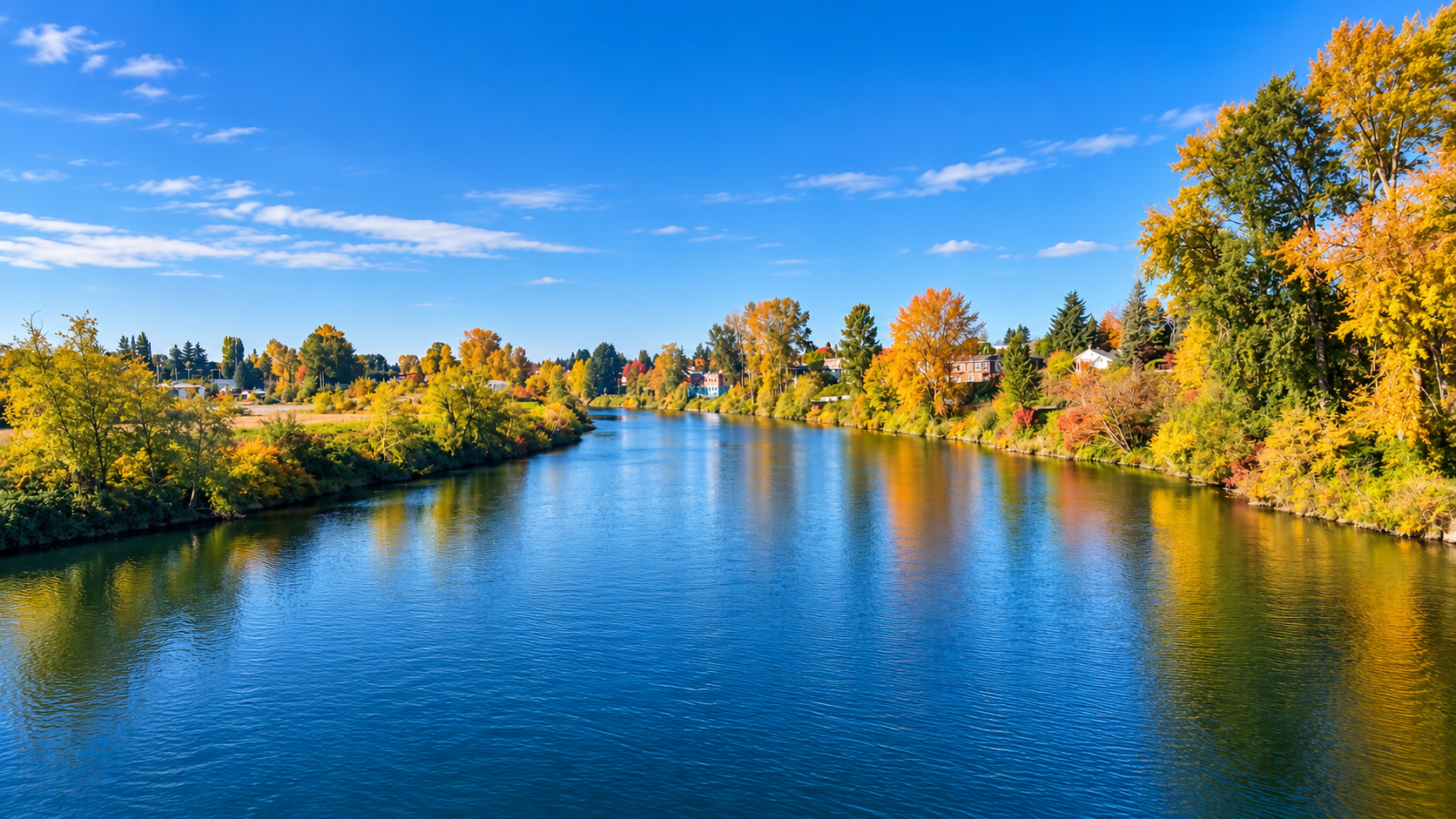
One county, many ways to live
// The county at a glance
Welcome to Snohomish County
Snohomish County sits in the Puget Sound region of western Washington, immediately north of King County and Seattle. It runs roughly 60 miles from the eastern shore of Puget Sound to the crest of the Cascade Range, covering about 2,196 square miles, and much of the eastern half is forested mountain country that includes part of Mount Baker-Snoqualmie National Forest. Glacier Peak, the county's highest point, rises to 10,541 feet. For reference: the lowland west side of the county, which holds nearly all of its cities and towns, is where the vast majority of people live.
The county's rivers and lakes shape its towns. The Snohomish River forms just west of Monroe where the Skykomish and Snoqualmie rivers meet and flows into Port Gardner Bay, and the Skykomish and Stillaguamish rivers drain much of the rest. The county's western border is Puget Sound, including Possession Sound, Port Gardner Bay, and Port Susan, and it has 63 state-designated shoreline lakes, including Lake Stevens, Lake Roesiger, and Lake Goodwin.
Where the county differs from King County to the south and Pierce County to the southwest is mostly a matter of scale and space: more single-family housing and larger lots, working farmland in the north and the river valleys, small-town downtowns, and a shorter path to both the Cascades and the Sound. It is a genuinely mixed county, urban in spots and rural in others, which is exactly why the guides below matter.
// City and community guides
Explore Snohomish County's Cities and Communities
Snohomish County offers a wide variety of places to call home, from established waterfront communities and historic downtown neighborhoods to newer developments and rural properties with acreage. Choosing the right location involves more than home prices. Commute times, housing options, recreational opportunities, and everyday conveniences can vary significantly. We've created comprehensive guides to individual Snohomish County communities to help you compare your options. Each guide explores the local real estate market, cost of living, neighborhoods, employment access, recreation, amenities, and important considerations before buying. Select a city below to explore its complete relocation and real estate guide.
Central county, on the Snohomish River east of Everett
Snohomish is the county's heritage town: a historic riverfront district on the Snohomish River, antique storefronts, and neighborhoods that range from stately older homes to newer subdivisions. It offers character and community without giving up modern conveniences.
Housing: Older character homes near downtown, riverfront properties, and newer subdivisions.
Standouts: A walkable brick First Street, the Centennial Trail, and antique shops.
Explore Snohomish Relocation Guide
I-5 corridor between Everett and the north county
Marysville is one of the county's faster-growing cities, with substantial new residential construction between the I-5 corridor, the Tulalip area, and expanding neighborhoods on the east side of town. It offers newer construction, larger lots, and generally more home for the dollar than communities to the south.
Housing: Newer construction across price points, from compact townhomes to larger single-family homes.
Standouts: Direct I-5 access, Quil Ceda Village and Tulalip, Twin Lakes, and a growing downtown.
Explore Marysville Relocation Guide
East-central county, built around a lake near US-2
Lake Stevens has transformed from a quiet lake town into one of the county's fastest-growing communities. There is a real lake here, with beaches, parks, and boating, plus a rapidly expanding commercial core.
Housing: Lakefront and lake-view homes alongside newer subdivisions and neighborhoods.
Standouts: A real lake with beaches, parks, and boating, plus the 20th Street corridor to US-2 and I-5.
Explore Lake Stevens Relocation Guide
North county, where the Cascade foothills meet I-5
Arlington sits where the Cascade foothills meet the I-5 corridor, and it gives buyers a lot for their money. The Smokey Point area is a regional retail and employment hub, while eastern Arlington edges toward mountain recreation.
Housing: Established neighborhoods plus active new construction at various price points.
Standouts: Olympic Avenue's historic main street, the Centennial Trail, and Twin Rivers Park on the Stillaguamish.
Explore Arlington Relocation Guide
North end of the county, close to Camano Island
Stanwood is the quiet north end of the county: a farm-country town on the Stillaguamish River delta, close to Camano Island and the water. Buyers here trade commute convenience for space and a slower pace.
Housing: Single-family homes on a range of lot sizes, including acreage and farm-country parcels.
Standouts: Historic downtown on 102nd Avenue, Heritage Park, and the Stillaguamish River delta.
Explore Stanwood Relocation Guide
Central county on Possession Sound, the county seat
Everett is the county's largest city and its economic anchor, with a working waterfront on Possession Sound, a naval station, and a major aerospace plant nearby. It is the most urban option in the county, with real neighborhood character at more accessible prices than Seattle.
Housing: The county's most urban mix: older neighborhood homes, condos, historic districts, and some waterfront.
Standouts: The Port of Everett, Jetty Island, historic Hewitt Avenue, Naval Station Everett, and Sounder rail into Seattle.
Explore Everett Relocation Guide
Foothills east of Everett, at the Mountain Loop Highway
Granite Falls is the gateway to the Mountain Loop Highway, with a down-to-earth small-town feel and genuine foothills value. It offers maximum space and a quick path to the Cascades, with a longer daily commute to the freeway corridor.
Housing: Mostly single-family homes, many on larger lots, with rural acreage moving east.
Standouts: Mountain Loop Highway access and a down-to-earth small-town feel.
Explore Granite Falls Relocation Guide
Central county near I-5 and I-405
Mill Creek is a planned community built around parks, trails, and a walkable Town Center. It is a consistent, low-key choice for buyers who want amenities and a polished, established setting close by.
Housing: Single-family homes in planned neighborhoods plus townhomes and condos around the Town Center.
Standouts: The Mill Creek Town Center, a golf course community, and the North Creek Trail.
Explore Mill Creek Relocation Guide
Puget Sound waterfront between Everett and the ferry
Mukilteo is a waterfront city with a ferry to Whidbey Island, a lighthouse, and some of the county's most scenic Sound views. It is a beach-town feel without leaving the metro.
Housing: Waterfront and view homes plus established hillside neighborhoods.
Standouts: The lighthouse park, the ferry to Whidbey Island, and Sound views.
Explore Mukilteo Relocation Guide
South county, now on the Link light rail line
Lynnwood is the county's urban gateway, now on the light rail line, with shopping and dining that draw from across the region. It is popular with commuters who want an easier trip into Seattle.
Housing: Condos and townhomes around the transit center, plus single-family neighborhoods.
Standouts: The Lynnwood City Center light rail station on the Link 1 Line into Seattle, and Alderwood's regional retail.
Explore Lynnwood Relocation Guide
Skykomish Valley on US-2, east of Everett
Monroe is the Skykomish Valley's hub on US-2, home to the Evergreen State Fairgrounds and a mix of rural and suburban living. It gives buyers valley space and small-town community with quick highway access both west and east.
Housing: A mix of single-family neighborhoods, river-valley homes, and rural acreage.
Standouts: US-2 access into the mountains and the Evergreen State Fairgrounds.
Explore Monroe Relocation Guide
South edge of the county, on the King County line
Bothell is the riverfront town on the King and Snohomish county line, where an old downtown rebuilt itself into a walkable destination. It is one of the more interesting places to live in the north metro.
Housing: A varied mix: downtown condos and townhomes, established neighborhoods, and newer development.
Standouts: A rebuilt walkable Main Street, McMenamins Anderson School, the Sammamish River Trail, and quick Eastside access.
Explore Bothell Relocation Guide
South edge of the county, near Bothell and Lynnwood
Brier is a small, wooded, strictly residential city at the county's south edge. It gives buyers what is hardest to find in the south county: genuine small-town quiet on big, tree-lined lots.
Housing: Single-family homes on large, wooded lots.
Standouts: Brier Park, Martha Lake nearby, and light rail within about a ten-minute drive.
Explore Brier Relocation Guide
Sauk River valley at the base of Whitehorse Mountain
Darrington is where Snohomish County runs into the North Cascades: a Sauk River valley town at the base of Whitehorse Mountain. It is one of the most outdoors-first communities in the county.
Housing: Single-family homes, many built decades ago, on lots from town blocks to multi-acre forest parcels.
Standouts: Whitehorse Mountain views and the eastern gateway to the Mountain Loop Highway.
Explore Darrington Relocation Guide
Puget Sound waterfront, south county
Edmonds is a bluff-top waterfront town on Puget Sound with a walkable downtown, a working ferry to Kingston, and views across the water. It is south Snohomish County's most established water-adjacent market.
Housing: Historic homes in the Edmonds Bowl, hillside view properties, and established neighborhoods.
Standouts: A working ferry to Kingston, a walkable downtown, and Olympic Mountain views.
Explore Edmonds Relocation Guide
Skykomish River along US-2, where the foothills begin
Gold Bar sits on the Skykomish River along US-2, right where the Cascade foothills begin, with some of the most affordable housing in the county. It is a small, working river town.
Housing: Single-family homes on the river bottom and higher ground, plus river-adjacent acreage.
Standouts: Wallace Falls State Park at the town's edge and the US-2 recreation corridor.
Explore Gold Bar Relocation Guide
South county on the King County line
Mountlake Terrace is the first county city on light rail, with Lake Ballinger at its heart and a town center being built around the station. It is a compact, commuter-friendly south-county city.
Housing: Mid-century single-family homes plus townhomes and condos around the Town Center.
Standouts: The Mountlake Terrace light rail station, Lake Ballinger, and quick I-5 access.
Explore Mountlake Terrace Relocation Guide
Skykomish Valley on US-2, east of Monroe
Sultan is the Skykomish Valley's river town, where US-2 heads east into the Cascades, and one of the most affordable markets in the county. It is a small, genuine river town.
Housing: Single-family homes and rural acreage along the river roads.
Standouts: The confluence of the Skykomish and Sultan rivers and some of the county's best outdoor access.
Explore Sultan Relocation Guide
The south-county region from Mill Creek to Lynnwood
The south-county communities from Mill Creek to Lynnwood form the county's most connected region. This regional guide covers the area as a whole for buyers weighing a commute to Seattle or the Eastside.
Housing: A full range: planned neighborhoods, townhomes, condos, and single-family stock.
Standouts: Some of the county's shortest commutes to Seattle and the Eastside, with I-5, I-405, and light rail all serving the area.
Explore South Snohomish County Relocation Guide
Not sure which fits?
Tell Curt your commute, budget, and must-haves, and he will narrow the county to the two or three communities worth your time before you tour a single house.
// Free downloads
Free Relocation Guide & Checklist
Moving takes a long list of decisions, so I put the whole thing in writing. Grab both PDFs now; no sign-up and no email required.
Snohomish County Relocation Guide
The complete relocation guide for moving to Snohomish County: cost of living, housing, commutes, communities, and what to do first.
Snohomish County Relocation Checklist
A checklist of the tasks and decisions for your move, worked through in the order you will actually need them.
// The honest reasons
Why People Move Here
Snohomish County draws people for practical reasons, not hype. Here is what newcomers actually find, in plain language and without invented stats.
More home for your money
Compared with Seattle and the Eastside, Snohomish County generally offers more square footage and more land for the price. The tradeoff, for some households, is a longer trip into the city.
Real neighborhoods and small towns
The county is a mix of established downtowns, planned communities, and quiet rural towns. You can find walkable brick streets in Snohomish, a beach-town feel in Mukilteo, and farm country near Stanwood, all within one county.
A range of school districts
The county is served by many districts, from large suburban systems to small rural ones. School assignments depend on your exact address, so it pays to check the feeder pattern for every home you consider.
Outdoors within reach
Mountains, rivers, lakes, and Puget Sound are all part of the county. Trails, parks, and water access are a normal part of daily life here rather than a weekend excursion.
Commute balance, if you choose it
Some households commute to Seattle; many work in Everett, Lynnwood, or other parts of the county. Where you land shapes how much of your day goes to driving, so it is worth being honest about your commute early.
Room to grow
The county is one of the growing parts of the region, with newer neighborhoods and new construction alongside established towns. That mix means options for buyers at different stages, from first homes to acreage.
// The real numbers
Cost of Living in Snohomish County
Countywide averages are useful for a first pass, but no single number is true for every city. Housing is the biggest line item and varies widely by community. The table below is a dated, sourced snapshot; your exact costs will depend on the address, the city, and the property.
| Factor | Snohomish County | Comparison | Source |
|---|---|---|---|
| Cost of living | Above the U.S. average, driven mainly by housing | Washington overall also runs above the U.S. average; Seattle is notably higher | Qualitative, from U.S. Census and BLS data |
| Median home sale price, all homes | $720,000 | King County $850,000 (Sept 2026) | NWMLS market snapshot, September 2026 |
| State individual income tax | None | Washington has no state income tax | Washington Department of Revenue |
| Typical 2026 county property levy rate | $8.1949 per $1,000 assessed value | Bills vary by city, district, and assessed value | Snohomish County Assessor, 2026 |
Sales tax varies by city
Washington's state sales tax is 6.5%, and cities and transit districts add local rates, so the total depends on your exact address. Snohomish County cities carry some of the region's higher combined rates. Representative published combined rates:
- Everett (Sound Transit area) 9.90%
- Lynnwood (from April 1, 2026) 10.70%
- Marysville 9.40%
- Mukilteo 10.60%
Combined rates per the Washington Department of Revenue local sales tax flyers, 2026.
Check an addressThe other costs
- No state income tax. Washington has no state individual income tax today; a narrowly targeted tax on income above $1 million is scheduled to take effect in 2028. Talk to a tax professional about your situation.
- Property taxes. The county's 2026 typical levy rate is $8.1949 per $1,000 of assessed value, and bills vary by city, school district, and special districts. Third-party estimators put typical annual bills in the roughly $5,000 to $5,900 range.
- Rent and utilities. Rents vary widely by city and property type and change monthly, so check current listings. Communities near light rail and the larger employment centers generally run higher; foothills and north-county towns tend to run lower.
- Transportation. Gas, transit fares, and a car payment are part of the monthly math for most households, and commute times differ a lot between towns, so pair housing cost with commute cost when comparing areas.
// Countywide, current
The Snohomish County Housing Market
The countywide picture as of late 2026 is a balanced market: prices essentially flat, inventory sharply higher, and homes taking about as long to sell as a year ago. These are current numbers from the Northwest Multiple Listing Service's September 2026 market snapshot; they describe the county as a whole, and your exact town and price range can look different.
$720,000
Median sold price, all homes
Snohomish County, September 2026, per the NWMLS market snapshot published October 6, 2026, down 0.4% from a year earlier. Essentially flat for a year.
37 days
Average days on market
September 2026, per NWMLS. Roughly unchanged from a year earlier: slower than the boom years, far from a stall.
2,967
Active listings
At the end of September 2026, up 44.2% year over year. Buyers have real selection again across most price ranges.
~3.7
Months of inventory
Around the balanced line for single-family homes in September 2026, with overall supply roughly 3.4 to 3.8 months.
Current stats: median sold price $720,000 (all homes, September 2026, down 0.4% year over year), 37 average days on market, 2,967 active listings (up 44.2% year over year), roughly 3.4 to 3.8 months of supply, and the 30-year fixed mortgage rate at 7.40% for the week of October 15, 2026 (Freddie Mac). Historical context: prices ran well above today's levels in 2022 before the small declines of late 2025, and inventory is far higher than the sub-2 months of supply seen in the pandemic boom. This is not a crashing market; it is a normal one.
Single-family homes
The dominant type across the county, from mid-century ranches in the south to new construction in Marysville and Lake Stevens.
Condos and townhomes
Concentrated around Lynnwood, Mountlake Terrace, Everett, and the south county, plus the Mill Creek Town Center.
New construction
Steady new subdivisions in Marysville, Lake Stevens, Arlington, Monroe, and the south county, often competing directly with resale.
Rural and acreage
Found in the foothills (Sultan, Gold Bar, Granite Falls, Darrington) and the north end around Stanwood, with multi-acre parcels.
Waterfront
Lakefront on Lake Stevens and Lake Roesiger, riverfront along the Snohomish and Skykomish, and Sound waterfront in Mukilteo, Edmonds, and Everett.
Lot sizes
City lots in the south and central county, larger and more private lots as you move north and east.
Prices differ between communities
A countywide median hides a wide range. The foothills towns of Sultan and Gold Bar are among the most affordable markets in the county, while waterfront and south-county communities such as Edmonds, Mukilteo, Mill Creek, and parts of Bothell tend to run higher. New construction in Marysville, Lake Stevens, and Arlington competes directly with resale, which keeps pricing honest. The individual city guides on this page cover the market in each community, and Curt can give you the current numbers for any specific town or price range.
// Where the jobs are
Employment in and Around the County
The county has its own substantial job base, and it also sits close to the King County employment centers of Seattle, Bellevue, and Redmond. Where you work should shape where you live more than almost anything else, because a 10-mile difference in home location can mean an hour of daily driving.
The Boeing Company
Aircraft manufacturing; the Everett assembly plant at Paine Field is among the largest buildings in the world by volume.
15,006
Microsoft
Technology, with a large presence in the region and employees who live throughout the county.
3,448
Amazon
Technology and logistics across the Puget Sound region.
2,725
Providence Swedish
Providence Regional Medical Center Everett, the county’s largest hospital.
2,393
Everett Public Schools
Public education, one of the county’s largest employers.
2,375
Naval Station Everett
An active U.S. Navy installation on Possession Sound, homeport for ships and thousands of sailors.
1,340
Premera Blue Cross
Health insurance and services.
1,311
T-Mobile US
Telecommunications.
1,076
Estimated headcounts per the Economic Alliance of Snohomish County, 2025 data. Federal and state government also employ a meaningful share of the county workforce, and retail, construction, and trades are substantial local employers.
Aerospace and industry
Boeing's Everett assembly plant at Paine Field anchors the county's aerospace sector, and the Paine Field area has drawn a wide industrial base. Everett also hosts the Port of Everett and a deep-water naval station. Workers in these sectors can live almost anywhere in the county, but central and north-county towns keep the drive short.
Healthcare and services
Providence Regional Medical Center Everett is the county's largest hospital, with EvergreenHealth Monroe, Cascade Valley Hospital in Arlington, and Swedish Edmonds Campus providing additional coverage. Schools, local government, insurance, and retail round out a diversified service economy.
King County job centers
Microsoft, Amazon, and many technology employers are a drive or a transit trip away in Seattle, Bellevue, and Redmond. For those workers, the south county, especially Lynnwood, Mountlake Terrace, Bothell, and Mill Creek, makes the most sense, while remote and hybrid schedules let people live farther out.
// Getting around
Commuting and Transportation
Getting around the county comes down to a few main corridors and transit options, and here is the accurate picture as of October 2026. I will not quote you a single commute time as a promise, because traffic and schedules change, but the ranges below come from the published city guides and current transit data, and they are the honest starting point for your math.
Interstate 5
I-5 runs north-south through the county and is the main route into Seattle. Most county-to-Seattle travel happens on this corridor, and traffic is the honest trade-off of living here.
Sounder commuter rail
Sounder currently serves Everett, Edmonds, and Mukilteo and runs into Seattle. It is a real option for commuters, with its own schedule, stations, and parking.
Link light rail at Lynnwood
The Lynnwood City Center light rail station opened August 30, 2024, as the northern end of the Link 1 Line, with stations in Lynnwood, Mountlake Terrace, and Shoreline. It connects the south county to Seattle and points south.
Other key routes
US-2 carries the Skykomish Valley and Monroe to Everett. SR 9 runs north-south through the central county. I-405 connects Bothell to the Eastside. SR 522 links Bothell to Seattle, and SR 526 links Mukilteo to Everett.
Parks, airports, ferries
Park-and-rides dot the county for transit users. Sea-Tac is the region's main commercial airport, reachable by light rail from Lynnwood through Seattle. Paine Field is the county's aerospace hub. Ferries run Mukilteo to Clinton and Edmonds to Kingston.
Approximate typical commute ranges
Actual times vary by day, time, and route
Ranges below are approximations drawn from the site's published city guides and typical-traffic figures. Rush hour can double many of these, and transit schedules change, so verify your specific trip before you commit to a neighborhood.
| Community | To Everett | To Seattle | Transit / notes |
|---|---|---|---|
| Snohomish | 15 to 20 min | 40 to 55 min via I-5 or SR 9 | Community Transit buses |
| Marysville | 15 to 20 min | 45 to 65 min on I-5 | Community Transit park-and-ride |
| Lake Stevens | About 15 min | 45 to 60 min at peak via US-2 and I-5 | Community Transit buses |
| Arlington | 15 to 20 min | 50 to 65 min via I-5 | Community Transit and Sound Transit express |
| Stanwood | 30 to 35 min | Roughly 1 hour on I-5, longer at peak | Community Transit buses |
| Everett | Within the city | 30 to 45 min on I-5 | Sounder commuter rail and buses |
| Granite Falls | 25 to 35 min light traffic, 40 to 60 at peak | Over an hour | Limited bus service |
| Mill Creek | About 15 min | 30 to 40 min off-peak, longer at peak | I-5 and I-405 |
| Mukilteo | 12 to 20 min via SR 526 | 35 min off-peak, 60 to 90 at peak | Sounder station and Clinton ferry |
| Lynnwood | Via I-5, check traffic | 25 to 40 min by car off-peak; light rail 35 to 40 min | Link 1 Line light rail |
| Monroe | 20 to 35 min on US-2 | An hour or more at peak | Limited bus service |
| Bothell | Via I-405, check traffic | 20 to 25 min off-peak on SR 522; Bellevue 15 to 20 on I-405 | Buses; closest to the Eastside |
| Brier | About 12 miles on I-5 | Light rail from Mountlake Terrace reaches downtown in about 28 min | Mountlake Terrace station about 10 min by car |
| Edmonds | Via I-5, check traffic | About 20 min by car at good hours; Sounder 25 to 35 min | Sounder station and Kingston ferry |
| Mountlake Terrace | 15 to 20 min on I-5 | Link light rail about 28 min from the station | Link 1 Line light rail |
| Sultan | 30 to 45 min on US-2 | 60 to 75 min at peak | Limited bus service |
| Gold Bar | 35 to 45 min on US-2 off-peak | 60 to 75 min, more at peak | Limited bus service |
| Darrington | Via Arlington (25 to 30 min to Arlington on SR 530) | About 1.5 hours | Limited bus service |
Commute figures are the site's published approximations from each city guide; the countywide average one-way commute is about 31 minutes per U.S. Census Bureau American Community Survey estimates. For rush-hour reality on I-5, the Seattle Times has reported reliable morning drive-alone times well over an hour from Everett.
// K-12 and higher ed
Schools and Education
Snohomish County is served by 15 public school districts, from large suburban systems to small rural ones. School assignments depend on your exact address, not on which town you live in, so it pays to verify the feeder pattern for every home you consider. The county keeps the official district list, and each district publishes its own boundary and school-finder tools.
Arlington School District
Darrington School District
Edmonds School District
Everett School District
Granite Falls School District
Index School District
Lake Stevens School District
Lakewood School District
Marysville School District
Monroe School District
Mukilteo School District
Northshore School District
Snohomish School District
Stanwood-Camano School District
Sultan School District
Per the official Snohomish County school districts directory.
// Outdoors and culture
Recreation and Outdoor Lifestyle
Location is the county's recreation story: the Cascade foothills rise on the east, Puget Sound forms the western border, and rivers and lakes run between them. Most residents are minutes from a trail, a park, or the water, and the mountains and the Sound are both reachable in a single day.
Mountains and hiking
The Cascade foothills and the Mountain Loop Highway are part of the county. Wallace Falls State Park near Gold Bar is one of the region’s most visited trailheads, and the mountains beyond reach far beyond the county line.
Lakes, rivers, and Sound
The county borders Puget Sound and is cut by the Snohomish, Skykomish, and Stillaguamish rivers, with dozens of named lakes including Lake Stevens, Lake Roesiger, and Lake Goodwin. Boating, paddling, fishing, and swimming are daily options in many towns.
Camping and parks
Snohomish County Parks manages more than 100 park properties across the county, and Washington State Parks and the national forest add camping, trails, and day use. The 30-mile Centennial Trail runs from Snohomish north toward Arlington.
Skiing and snow
For downhill and snow sports, the US-2 corridor leads east toward the Cascade passes, a drive many county households make on winter weekends. Cross-country and snowshoeing options are closer to the foothills.
Official recreation resources
Year-round rhythm
The recreation calendar follows the weather: lake and river season peaks in summer, hiking runs year-round at lower elevations, and winter turns the mountains to snow country. Festivals and farmers markets seasonally animate the downtowns, and golf courses, dog parks, and community sports are spread across the county. Each city guide lists its own parks and local favorites.
Browse city guides// What to expect
Weather and Climate Across the County
The classic western Washington climate applies to most of the county, but the difference between the lowlands and the foothills is real. Here is the honest version, with figures from the county and climate sources.
Rainfall
Western lowlands receive roughly 35 to 42 inches a year, concentrated from November through January. The Cascade foothills receive far more, in some areas 110 to 120 inches, so conditions differ sharply across the county.
Summers
The warmest months are July and August, with average highs in the mid-70s and long daylight. Dry, sunny stretches are the norm, which is the payoff for the gray season.
Winters
December and January are coldest, with average highs in the mid-40s and lows in the mid-30s. Lowland snow is modest, often a few inches a year, though foothill towns see more and higher elevations much more.
What this means
Layered, waterproof clothing matters more than a big winter coat. Summer days can still be cool near the water, and fog and drizzle are common at the coast side of the county while the east side is often drier.
Coast vs. foothills
The western lowlands, home to most of the population, get roughly 35 to 42 inches of rain a year. The Cascade foothills can receive 110 to 120 inches, so Sultan, Gold Bar, Granite Falls, and Darrington see wetter, snowier, and cooler conditions than Everett or Lynnwood. That difference matters for what you maintain, from gutters and moss to snow clearing.
Maintenance reality
With a construction background, Curt says the practical side of this climate is predictable: check roofs, gutters, and drainage before the rainy season, plan for moss on north-facing roofs and shaded lawns, and know that air conditioning is becoming more common as summer heat events arrive. These are maintenance realities of the area, not reasons to avoid it.
// Everyday life
Shopping, Healthcare, and Conveniences
You will not drive to Seattle for daily needs. The county has its own regional retail, hospitals, grocers, libraries, and dining districts, and most neighborhoods have a shopping center or a walkable main street nearby.
Regional retail
Alderwood in Lynnwood, the Everett area, Smokey Point in Arlington, and the Mill Creek Town Center are the county’s main retail hubs, alongside walkable downtowns in Edmonds, Snohomish, and Bothell.
Hospitals and health systems
Providence Regional Medical Center Everett is the county’s largest hospital and Level II trauma center. EvergreenHealth Monroe, Cascade Valley Hospital in Arlington, and Swedish Edmonds Campus add coverage, with clinics from Kaiser Permanente and Virginia Mason Franciscan Health in the south county.
Libraries and community centers
Sno-Isle Libraries serves the county with branches in most towns, and each city runs parks departments, community centers, and public programming.
Farmers markets and local dining
Farmers markets run seasonally in many cities, and the walkable downtowns host restaurants and independent shops. The site’s local business directory lists real spots by community.
Healthcare at a glance
- Providence Regional Medical Center Everett is the county's largest hospital and Level II trauma center.
- EvergreenHealth Monroe, Cascade Valley Hospital in Arlington, and Swedish Edmonds Campus broaden coverage.
- Outpatient clinics from Kaiser Permanente (Everett) and Virginia Mason Franciscan Health (Lynnwood) serve the south county.
Where to look local
Each city guide covers its own shopping, dining, parks, and schools, and the local business directory lists real businesses by community, so you can get a feel for what is actually in a neighborhood before you visit.
// Practical guidance
What Homebuyers Should Know Before Moving
A few things are worth understanding before you get here. This is general, educational guidance, not tax or legal advice, and the details change, so confirm anything that matters with the right local professional.
County geography
Snohomish County runs from the urban south, around Lynnwood and Everett, up through suburbs and small towns to the foothills and farmland of the north and east. It includes Puget Sound waterfront, rivers, and lakes, so "one county" covers very different ways of living.
The weather reality
Expect mild, wet winters and drier, sunnier summers. Gray, drizzly days are a normal part of the year, and "sun breaks" are part of the local vocabulary. Layered, waterproof clothing goes a long way.
Taxes, at a general level
Washington has no state income tax. The state does collect sales tax and property tax, and both vary by city and county. This is general information, not tax advice: talk to a tax professional about how a move affects your specific situation.
Insurance considerations
Homeowners insurance is required by lenders and recommended for everyone. Flood zones, earthquake exposure, and coastal or hillside locations can all affect coverage and premiums, so a conversation with a local insurance agent early in the process is worth it.
Washington homebuying basics
Washington has its own closing, inspection, and disclosure practices, and the paperwork looks different from other states. An experienced local broker plus a solid title and escrow team makes the difference. Nothing here replaces professional advice.
Earnest money and inspections
An earnest money deposit of roughly 1% to 3% of the price is typical after an offer is accepted. General home inspections commonly run a few hundred dollars, with separate specialty inspections for sewers, septic, wells, roofs, and other systems. These are general figures that vary by transaction.
Flood zones and drainage
Flood risk is real along the rivers, the Sound, and some low areas. Snohomish County adopted FEMA digital flood maps in 2020, and you can check a property’s flood zone through the county’s flood information tools before you buy. Stormwater and drainage questions come up constantly in this climate.
Septic, wells, and critical areas
Homes outside city sewer and water service rely on septic systems and wells, which need to be in working order. The county also regulates critical areas such as wetlands, steep slopes, and landslide-prone ground. Requirements vary by property and jurisdiction.
Rural acreage and zoning
If you are buying acreage, zoning, minimum lot sizes, and the availability of utilities all matter. Because of Curt’s construction background, he helps buyers read what a parcel can actually support before they commit.
Older homes and new construction
The county has everything from century-old craftsman homes to brand-new builds. With 10 years in construction before real estate, Curt helps buyers see what an older home will need and what new construction promises versus delivers.
ADUs and zoning rules
Washington state allows accessory dwelling units on many single-family lots, but city and county rules differ on size, parking, and permitting. Check the local jurisdiction before you assume what is possible.
Earthquake and hazard awareness
The region sits in an active seismic area, and landslide or erosion risk can apply on steep slopes. Earthquake insurance and geotechnical reports are worth discussing with professionals for specific properties.
Official research tools
- Snohomish County floodplain maps (check a property's flood zone)
- Critical areas rules: wetlands, steep slopes, and buffers
- County planning and development services map portal
- Official school district directory
Requirements vary by property and jurisdiction. Verify any parcel-specific question with the county, the city, and the appropriate licensed professionals.
// Looking ahead
Future Growth and Development
The county is one of the region's growth areas, and most of that growth is planned to land inside and around existing cities rather than across farmland. Here is the difference between what is completed, what is in planning, and what is simply projected, so you can read the headlines with the right context.
Population growth
The county was home to about 870,000 to 880,000 people as of 2025 and 2026 estimates. Washington State’s official 2022 projections put the county at roughly 1.08 million by 2044 under the middle scenario, a planning figure, not a guarantee.
Housing growth
New construction is concentrated in the county’s designated urban growth areas around existing cities, with most growth planned inside city limits and their urban boundaries rather than scattered across farmland.
Transportation investments
Light rail to Lynnwood opened in August 2024 and is operating. The Everett Link Extension is in planning and environmental review, with service currently targeted in phases well into the 2030s. Treat it as a future possibility, not a current option.
Employment and industry
The Paine Field area continues to attract aerospace and industrial development, and the south county draws technology-sector workers who live here and commute to King County jobs.
Planned vs. approved vs. funded vs. completed
- Completed: Link light rail to Lynnwood opened August 30, 2024, and is operating today.
- In planning: The Everett Link Extension is in environmental review, with service currently targeted in phases in the 2030s. It is not built, not funded end-to-end, and not a current commute option.
- Projected, not promised: Washington State's official 2022 projections put the county near 1.08 million residents by 2044 under the middle scenario, and the county's own 2044 growth target is higher, based on regional planning assumptions. Projections are planning tools, not guarantees, and this page makes no promise about future prices.
// County to county
Snohomish County vs. King County and Nearby Areas
The most common comparison is Snohomish County versus King County, and the short version is: more space for less money, at the cost of a longer trip to Seattle. Neither is "better." They are different trade-offs, and the right one depends on your commute, your budget, and how you want to live.
| Factor | Snohomish County | King County | Source |
|---|---|---|---|
| Median home price (Sept 2026, all homes) | $720,000 | $850,000 | NWMLS |
| Cost of living | Above the U.S. average, driven mainly by housing | Seattle runs notably higher than the county | Qualitative (Census / BLS) |
| Typical commute to Seattle | Roughly 25 min (Lynnwood) to over an hour (north county) | Shortest inside Seattle itself; long from many suburbs | City guides, U.S. Census ACS |
| Lot sizes and housing | More single-family, larger lots, acreage and rural options | Denser, more condos and townhomes, smaller lots in many areas | Qualitative, from the guides |
| Recreation access | Cascades foothills, rivers, lakes, and Sound all within the county | Lake Washington, mountains south and east, Sound on the west | Qualitative |
| Character | Mix of small towns, farmland, waterfront, and suburbs | Dense urban core, large suburbs, and some rural east county | Qualitative |
Median prices are from the NWMLS September 2026 snapshot; cost of living is described qualitatively, based on U.S. Census and BLS data; commute ranges come from the site's city guides and Census-based estimates. Comparisons are directional, not promises, and both counties vary widely inside their borders.
Why people pick Snohomish
- Lower home prices and larger lots, with $720,000 median versus $850,000 in King County (Sept 2026).
- More small towns, waterfront, farmland, and foothills within one county.
- Light rail at Lynnwood and Mountlake Terrace for the south-county commuter.
Why people pick King
- Shorter commutes for Seattle and Eastside workers, and the densest urban living in the region.
- More condos and townhomes in walkable, transit-rich neighborhoods.
- King County also has its own suburbs, from affordable south-end cities to lakeside and Eastside towns, so the real comparison is often between specific communities, not whole counties.
// Q & A
Relocation FAQ: Real Questions About Moving to Snohomish County
Straight answers to the questions newcomers ask most, from what living here is like to where to find detailed city information. Search the list, or ask Curt directly and your question becomes the next good answer.
Have a different question?
Every move is different. Curt can tell you what it is actually like to live in the areas you are considering, no pressure and no obligation.
Ask Curt01 What is it actually like to live in Snohomish County?
It is a big county with very different ways of living. The south end around Lynnwood, Mountlake Terrace, and Bothell feels connected to Seattle and the Eastside. Central towns like Everett, Snohomish, and Lake Stevens mix city services with a more laid-back pace. The north end and the foothills are quieter and more rural. Outdoors access, space, and value are the common threads, and commute reality is the trade-off. Tell Curt how you actually live and he will point you to the parts of the county worth your time.
02 How much does it cost to live in Snohomish County?
By the numbers, Snohomish County runs more expensive than the national average but noticeably less than Seattle. Housing is the main driver: the median home price was $720,000 in September 2026 versus $850,000 in King County. Washington has no state income tax, though sales tax and property tax both vary by city. Costs differ between communities, so compare the full monthly picture for the exact areas you are considering.
03 What is the median home price in Snohomish County?
The median sold price for all homes was $720,000 in September 2026, per the Northwest Multiple Listing Service, essentially flat from a year earlier. Prices differ a lot by community: Sultan and Gold Bar are among the most affordable markets, while waterfront and south-county communities tend to run higher. The site’s market report has the current countywide numbers and links to sources.
04 How far is Snohomish County from Seattle?
The county border sits just north of Seattle, so the answer depends entirely on where in the county you are. Lynnwood is roughly 15 miles from downtown Seattle, Everett about 30 miles, and the north and east towns are farther. The county’s average one-way commute is around 31 minutes, per Census-based estimates, but that hides big differences between a Lynnwood light rail ride and a Stanwood I-5 drive at rush hour.
05 What are the main employment centers in the county?
Everett is the county seat and economic anchor, home to Boeing’s assembly plant at Paine Field, Naval Station Everett, Providence Regional Medical Center, and the Port of Everett. The Economic Alliance of Snohomish County lists Boeing, Microsoft, Amazon, Providence Swedish, and Everett Public Schools among the largest employers. Many residents also commute to King County job centers in Seattle, Bellevue, and Redmond.
06 How is the commute to Seattle and Bellevue?
I-5 is the main route to Seattle, with light rail now serving Lynnwood and Mountlake Terrace. The average one-way commute countywide is about 31 minutes, but peak-hour drives from the north county can stretch well over an hour, and the commute table on this page shows the wide range between communities. Sounder commuter rail serves Everett, Edmonds, and Mukilteo, and Bothell and the south county sit closest to Bellevue and Redmond on I-405.
07 What housing types are available in Snohomish County?
Single-family homes dominate, from mid-century ranches in the south to new construction across the central and north county. Condos and townhomes are concentrated around Lynnwood, Mountlake Terrace, Everett, and the Mill Creek Town Center. Rural acreage is common in the foothills and around Stanwood, and waterfront comes in three flavors: lakefront on Lake Stevens and Lake Roesiger, riverfront on the Snohomish and Skykomish, and Sound frontage in Mukilteo, Edmonds, and Everett.
08 How do the county’s cities differ?
Each guide on this page describes its community in detail, but the short version: Everett is the urban center, Lynnwood and Mountlake Terrace are the transit-connected south county, Bothell and Edmonds are established waterfront-adjacent towns, Marysville and Lake Stevens are the fast-growing new-construction markets, Snohomish and Monroe have real historic downtowns, and the foothills towns of Sultan, Gold Bar, Granite Falls, and Darrington trade commute for space and outdoor access.
09 What should I know about buying acreage?
Acreage in the county usually means a well and septic system, a well and septic inspection, and attention to flood zones, wetlands, and steep slopes. Zoning and minimum lot sizes vary by area, and some parcels sit in critical areas with extra rules. With his construction background, Curt helps buyers read what a parcel can actually support before they commit.
10 What outdoor activities are nearby?
Essentially all of them. The county has more than 100 county park properties, the 30-mile Centennial Trail, the Mountain Loop Highway into the Cascades, Wallace Falls State Park, lakes and rivers for boating and fishing, and Puget Sound waterfront for beach days and ferry rides. Ski access runs east on US-2 in winter. Recreation is a daily part of life here, not a weekend trip.
11 Where can I get detailed city-by-city information?
The Explore Snohomish County’s Cities and Communities section on this page links to a full guide for every published community, covering real estate, commute, neighborhoods, parks, and schools. The Areas We Serve index lists all of them in one place, and Curt is happy to walk you through the two or three that fit your commute, budget, and lifestyle.
12 Is it cheaper to live in Snohomish County than Seattle?
In general, yes: the same budget usually buys more home in Snohomish County than in Seattle or the Eastside, which is a big reason people relocate here. Costs like property tax, insurance, and utilities still vary by exact location, so it is worth comparing the full monthly picture rather than just the price per square foot. Curt can help you compare real neighborhoods against your budget.
13 How do I buy a home in Washington from out of state?
The same basic steps apply, with some state-specific details. You will want a lender who is comfortable with out-of-state buyers, and remote viewing can start with video tours and detailed walkthroughs before you travel. Closing happens through a Washington title and escrow company, and the paperwork is standard for the state. A local broker who has handled many relocation purchases keeps the whole thing moving, so you are not figuring it out alone.
14 What is the weather really like in Snohomish County?
Mild and wet in the winter, drier and sunnier in the summer. The stereotype of constant rain is overstated: winters bring frequent drizzle and gray days, but the summers are warm with long daylight hours. If you come from a sunny climate, the gray season takes some getting used to, and if you come from snow country, you will likely be pleased by how little falls at lower elevations.
15 Do I need to visit before I buy?
You do not have to, and many relocation clients buy after remote tours and video walkthroughs. That said, an in-person visit is valuable when you can manage it, especially to test the commute and walk a neighborhood. Curt can set up an efficient visit that packs the right homes and areas into a few days.
16 When should I start the relocation process?
The earlier, the better, especially if you are coordinating a job, a school year, or selling a home on the other end. Many relocation buyers start three to six months out so they can watch neighborhoods, understand the market, and get financing in order before they have to act. Even if you are just exploring, an early conversation means you are ready when the right home appears.
17 Where do most newcomers to Snohomish County land?
There is no single answer, but the areas that get the most relocation interest tend to be the ones with multiple school districts, reasonable commutes, and a range of home types. Marysville, Lake Stevens, Everett, Arlington, Lynnwood, and the Snohomish area all see steady attention from people moving to the county, as do the newer neighborhoods around them. The right answer for you depends on where you work, what you want to spend, and which school district an address falls in, which is exactly what Curt sorts out first.
// Talk it through
Ready to Start Your Snohomish County Search?
Whether you're ready to buy or simply figuring out which area fits, I'm happy to walk you through it. No pressure and no obligation. Tell me where you're coming from, and I'll give you a real picture of the county.
Keller Williams North Sound, 1027 State Ave. Ste 102, Marysville, WA 98270

AI-certified broker. Curt combines 22+ years of local real estate experience with modern technology and marketing to give every client an advantage.
Request my relocation consultation
Tell Curt where you're coming from and what you're looking for. He replies personally, usually the same day.
// Where to look next
Relocation Resources for Newcomers
The agencies below publish the data, schedules, and rules that matter when you move to Washington. The links on the right take you to related guidance from this site, including the guides to buying and selling.
Official resources
From this site

Broker · Wa Lic 51380
// About Curt Simmons
A local broker who knows every corner of the county.
Curt Simmons has been selling real estate in Snohomish County since 2003 and has lived in the greater Seattle area his whole life. He is a broker with Prime Listings Group at Keller Williams North Sound and has helped families relocate from other states and other countries.
Before real estate, Curt spent 10 years in residential and commercial construction, which gives him a builder's eye for what a home actually needs. Combined with deep local market knowledge, proactive communication, and AI-powered marketing, that is what helps relocated buyers land in the right home, in the right area, without guesswork.
Disclaimer
Information on this website is for general educational purposes and is not legal, tax, or financial advice. Transit schedules, projects, and opening dates are subject to change and should be verified with the operating agencies. Population, cost-of-living, and market figures are as reported by the named sources as of October 2026 and may be revised. Consult appropriately licensed professionals for advice regarding your circumstances.