
// Buying your first home in Snohomish County, WA
Buying Your First Home in Snohomish County? Let's Make It Easier.
Buying a first home is exciting, but it can also feel confusing: How much money do you need? What can you really afford? Are there down payment programs that could help? Is this even a smart purchase right now? You are not alone in having those questions. Curt Simmons has been helping buyers and sellers in Snohomish County since 2003, guiding first-time buyers from budget and financing through finding the right property, negotiating, and getting the keys.
You do not need to be preapproved or ready to move before you reach out. The best first step is simply a conversation about your goals.
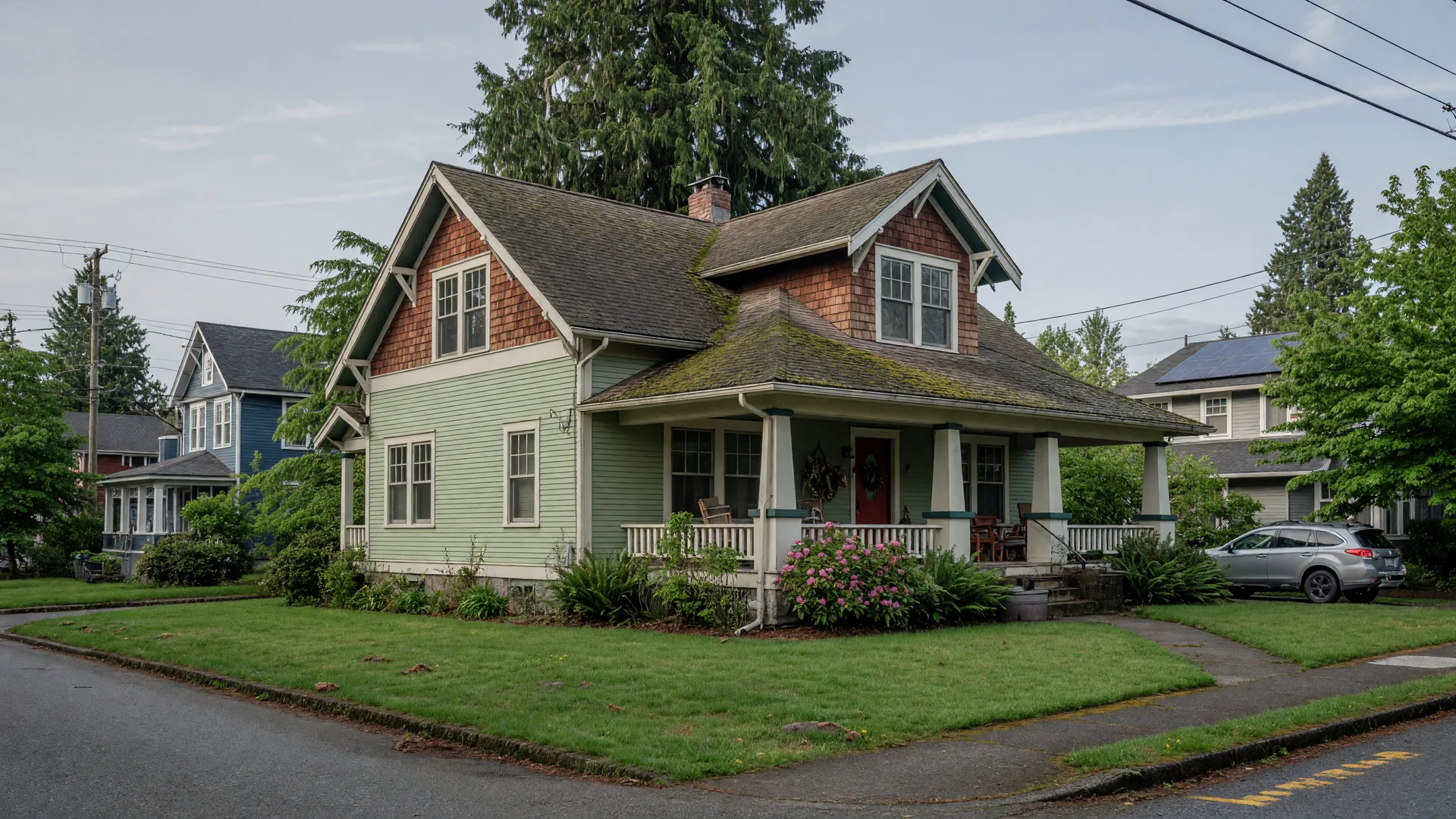
Your first home starts with a clear plan, not a perfect score
// Why work with Curt
How Curt Simmons Helps First-Time Buyers
Two decades of local experience, a construction background, and a straightforward, no-pressure approach. You work directly with Curt, and he explains everything in plain language.
Understanding the Buying Process
Curt explains each step in plain language, from the first conversation through offers, inspections, financing, and closing. First-time buyers do not need to know the process in advance, only to have a guide who will walk them through it one clear step at a time.
Finding the Right Home
Curt helps you turn a general idea into a focused search: budget, must-have features, location, and your long-term goals. His knowledge of Snohomish County communities means you see the neighborhoods that actually fit how you want to live, not just the ones with the most listings.
Understanding Property Condition
Curt's residential and commercial construction background helps him recognize potential concerns in a home and ask informed questions. That knowledge is not a substitute for a professional home inspection; it helps you know what to look at, what to ask, and when to bring in the right inspectors and contractors.
Negotiating and Protecting Your Interests
With experience in Snohomish County since 2003, Curt understands local home values, contracts, inspections, contingencies, and timelines. He negotiates with your interests in mind and makes sure you understand the terms before you sign, not after.
Connecting You With Resources
Curt introduces first-time buyers to mortgage professionals, homebuyer education, down payment assistance programs, inspectors, and other local experts. He does not determine mortgage eligibility or give lending advice, but he connects you with people who can.

Modern tools, local knowledge
Curt pairs 22+ years of local real estate experience with AI-powered marketing and modern technology, so first-time buyers get current, data-informed guidance at every step.
No jargon, no pressure
The process makes sense when someone explains it clearly. Curt walks you through financing, offers, and inspections the same way he would explain it to a friend: directly, honestly, and one step at a time.
// The money side, plainly
You May Not Need 20% Down to Buy Your First Home.
A common myth is that first-time buyers need a 20 percent down payment. In practice, the cash you bring to closing is made up of several different pieces, and the amount varies with the loan program and your eligibility. Here is what each piece means, in plain language.
Zero down is also possible for some first-time buyers. Programs such as Washington State Housing Finance Commission (WSHFC) down payment assistance and USDA loans in eligible areas can allow a 0% down payment, so your options can start at 0% down as well as 3% down or higher. The right option depends on your situation, the property, and current program rules. Those details change over time, so confirm them with WSHFC and your lender before you plan around any program.
Down payment
The part of the purchase price you pay from your own funds at closing. It is often expressed as a percentage of the price, and the amount depends on the loan program you use.
Earnest money
A deposit you put up with your offer to show the seller you are serious. It is held in escrow and typically credited toward your down payment or closing costs at closing.
Closing costs
The fees paid to finalize the purchase, including lender fees, title and escrow charges, recording fees, and taxes. They are separate from the down payment.
Prepaid expenses
Upfront payments made at closing for items like property taxes and homeowners insurance that cover the period just ahead, usually collected into an escrow account with your lender.
Mortgage insurance
Protection for the lender that is often required when your down payment is below a certain level, such as 20 percent. It adds to your monthly payment and depends on the loan program.
Cash reserves
Money you keep available after closing. Many lenders look for reserves to confirm you can handle unexpected expenses after you move in.
Total cash to close
The full amount you need at closing: your down payment, closing costs, prepaids, and any other required funds, minus any seller credits or lender credits.
Illustrative down payment comparison
Hypothetical home price: $600,000
| Down payment | Amount on a $600,000 home | What to know |
|---|---|---|
| 0% down | $0 | Possible for some eligible borrowers through programs such as WSHFC down payment assistance or USDA loans in eligible areas. Eligibility and program rules vary. |
| 3% down | $18,000 | Down payments near this level are possible with some conventional programs. |
| 3.5% down | $21,000 | Commonly associated with FHA loans. |
| 5% down | $30,000 | A common conventional down payment level. |
| 10% down | $60,000 | Lowers the loan amount and may reduce mortgage insurance costs. |
| 20% down | $120,000 | Often avoids private mortgage insurance on conventional loans, but it is not required by most programs. |
This comparison is illustrative only and assumes a hypothetical $600,000 home. A 0% down payment is possible only for eligible borrowers, such as through WSHFC down payment assistance or USDA loans in eligible areas, and eligibility is never guaranteed. It does not include closing costs, prepaid expenses, mortgage insurance, or other cash-to-close items. Depending on your eligibility, conventional low-down-payment, FHA, VA, USDA, or applicable assistance programs may apply. Lender requirements vary by credit, income, assets, property eligibility, and program, and no loan is available to everyone. Program details and rules change over time. Verify the current details with WSHFC and a qualified lender.
// One of the most important questions
Could You Qualify for Down Payment Assistance in Washington?
Many first-time buyers assume they need large savings before they can buy. In Washington, down payment assistance programs may help eligible borrowers cover a down payment, closing costs, or both. That can move a purchase within reach sooner than you think, but the programs have real eligibility rules, and some are loans that must be repaid rather than free money.
The Washington State Housing Finance Commission, or WSHFC, administers the state's main homeownership programs. The Home Advantage program pairs a 30-year fixed first mortgage with down payment assistance options for eligible buyers, and other programs are available as well. Most of these programs require homebuyer education, and each has its own income limits, purchase and property eligibility, participating lenders, and repayment terms. Not all assistance is limited to first-time buyers, and not everyone qualifies.
The honest fine print
Down payment assistance varies by program, and it is not available to everyone. Some programs are grants or forgivable loans that eligible buyers may not have to repay, while others are loans that must be repaid, possibly when you sell or refinance, so it depends on the program. Program names, amounts, income limits, and rules change over time, so this page intentionally does not list current figures. Verify the current terms on the WSHFC website and with an approved or participating lender before you plan around any program.
How it typically works
- You work with a participating lender that offers WSHFC programs.
- You complete the required homebuyer education where it applies.
- Your lender verifies income limits, purchase eligibility, and property eligibility.
- Assistance is applied toward your down payment or closing costs at closing, subject to program terms.
Curt does not determine mortgage eligibility or approve loans. He connects first-time buyers with approved lenders who can explain what is available and verify what you qualify for.
Start with the official source
Program details and current requirements belong on the official WSHFC homebuyer resources, not on a broker's website. Start there, then verify your situation with a participating lender.
WSHFC Homebuyer Resources Read: Washington DPA programs overview// Your real budget
How Much Home Can You Comfortably Afford?
A lender's maximum preapproval is not necessarily what you should spend. The number that matters is the total monthly cost of ownership, and whether that fits comfortably alongside the rest of your life. Here is what goes into that picture.
Income and existing debts
Lenders weigh your gross income against your monthly debts to determine what you can borrow. Your own comfort level may be different from the maximum a lender approves.
Down payment and credit
The size of your down payment and the strength of your credit both affect the loan you qualify for and the costs you pay. Improving either can change your monthly payment.
Interest rate and mortgage insurance
The rate on your loan and any mortgage insurance directly shape your payment. Rates vary by program, lender, credit, and market conditions, and they change over time.
Property taxes and insurance
In Washington, property taxes and homeowners insurance are often escrowed into your monthly payment, so they are part of the real cost of ownership from day one.
HOA dues
If the property is in an association, monthly or annual dues add to your cost. Review the HOA documents and budget before you commit.
Utilities, maintenance, and savings
Heating, cooling, water, upkeep, and unplanned repairs are real ongoing costs. Keeping an emergency fund and some financial flexibility matters as much as the mortgage payment.
Prequalification vs. preapproval
A prequalification is a quick estimate based on information you provide, with no document review. A preapproval involves the lender reviewing your income, credit, and assets, and it carries far more weight with sellers. Talk to a lender early, even before you search, and compare offers from more than one lender: rates, fees, and service vary. Your circumstances and approval requirements differ from anyone else's, so the numbers that work for you come from your own verified situation, not from a neighbor's story.
Read: how much house can I afford?// Compare the basics
Your Mortgage Options, Compared
These are the loan programs first-time buyers in Snohomish County most often consider. The table shows general characteristics only, because specific down payments, credit requirements, mortgage insurance, and fees change over time and vary by lender and borrower.
| Program | Who may use it | Down payment | Mortgage insurance |
|---|---|---|---|
| Conventional | Available to a wide range of buyers, subject to lender and program requirements. | Many conventional programs allow down payments as low as 3% to 5%. | Private mortgage insurance is usually required when the down payment is below 20%. |
| FHA | Insured by the Federal Housing Administration; often used by buyers with smaller down payments or more flexible credit histories. | Down payments commonly around 3.5%, subject to program requirements. | An FHA mortgage insurance premium is required in most cases. |
| VA | Available to eligible veterans, service members, and certain surviving spouses. | Zero down payment is possible for eligible borrowers. | No private mortgage insurance, though a funding fee may apply. |
| USDA | Available for eligible rural and some suburban properties, within program income and location limits. | Zero down payment is possible for qualifying borrowers. | Program guarantee fees may apply. |
| WSHFC programs | Washington State Housing Finance Commission programs pair with a first mortgage and may add down payment assistance for eligible buyers. | Depends on the first mortgage program and your eligibility. | Varies by program; some include mortgage insurance or other fees. |
These are general descriptions only, not an offer of financing. Rates, credit score minimums, down payment requirements, mortgage insurance, fees, and availability vary by lender, borrower, property, and program, and they change. No approval is guaranteed. For the requirements that apply to you, talk to a qualified mortgage professional.
// The path to your keys
Your First Home: A Step-by-Step Buying Guide
Buying a home is not a single event. It is a sequence of steps, and it becomes manageable when you take them one at a time with someone who has done it many times before. Here is how the process typically unfolds.
Let's Talk About Your Goals
We start with the practical questions: what you can spend, which communities appeal to you, what you need in a home, and your timeline. You do not need preapproval or a down payment ready to have this conversation.
Understand Financing and Preapproval
Curt connects you with qualified mortgage professionals who can explain your options, compare programs, and point to any down payment assistance you may qualify for. Preapproval gives you a realistic price range and shows sellers you are serious.
Start Your Home Search
Together we look at homes that fit your budget and your priorities, using current listings and local market knowledge. The search stays focused on what actually matters to you, not on chasing every home on the market.
Make an Offer
Curt reviews recent comparable sales, helps you decide on offer terms and contingencies, and negotiates on your behalf. Your earnest money is submitted with the offer and held in escrow.
Complete Inspections and Due Diligence
You schedule inspections, review seller disclosures, and complete any due diligence within the deadlines in your contract. Title review happens during this window too, so nothing about the property or its ownership comes as a surprise.
Finalize Financing and Closing
Your lender completes its requirements, the appraisal is ordered, and escrow and title work proceed. You review and sign the final documents, and your funds are prepared for closing according to the contract.
Get the Keys
Ownership is recorded and closing completes. When you receive the keys and can take possession depends on the terms of your purchase agreement and the closing requirements, not just on signing. Curt makes sure the handoff is clear and on schedule.
// Your side of the table
Why Having an Experienced Buyer Agent Matters
When you work with a buyer agent in Washington, the relationship is documented in writing through a brokerage services agreement. State law sets the timing and requirements for that agreement, and understanding it protects you from the start.
What buyer representation means
A buyer agent works on your side of the transaction, helping you find homes, understand local values, negotiate, coordinate inspections, and manage the details of the purchase. The agreement spells out the broker's duties to you, including confidentiality, loyalty, and disclosure, so you know what to expect.
Written agreements, exclusive or not
Washington uses a written brokerage services agreement for buyer representation. It can be exclusive, where you work with one broker, or nonexclusive, and it sets the term, the scope, and how compensation is handled. Read it, ask questions, and understand the terms before you sign.
Compensation is negotiated
Broker compensation is negotiated and is not fixed. Depending on the agreements in place, it may be paid by the buyer, the seller, or other permitted parties. Buyers do not automatically get representation for free, and sellers are not required to pay buyer-broker compensation. Understand how your agent is paid before you sign.
Know the law before you sign
Washington's Real Estate Agency Law (RCW Chapter 18.86) governs brokerage services agreements, agency duties, and how representation works. Curt walks first-time buyers through what representation means and what the agreement says, so you sign it with full understanding, not just because it is part of the paperwork.
RCW Chapter 18.86// Look before you love
Look Beyond the Paint and Pretty Pictures
A home can look wonderful in photos and still have expensive surprises hiding behind the finishes. The physical condition of the property matters more than styling, and a first-time buyer should understand what to look at before falling in love.
Key areas include the roof, foundation and drainage, electrical, plumbing, heating and cooling, signs of water intrusion, septic or sewer systems, well systems, and the property's maintenance history. Each of these can carry real repair costs, and knowing their condition before you buy is how you avoid surprises.
Curt spent ten years in residential and commercial construction as a master electrician. That background helps him recognize issues and ask informed questions during showings and walkthroughs. Licensed home inspectors and qualified contractors provide the professional assessments that matter most, and no inspection can guarantee that every defect is found.
What Curt's eye adds
A builder's perspective on what you are looking at, and the right questions to ask inspectors and contractors.
What inspections add
Licensed inspectors and qualified contractors give the thorough, professional assessment you can rely on during due diligence.
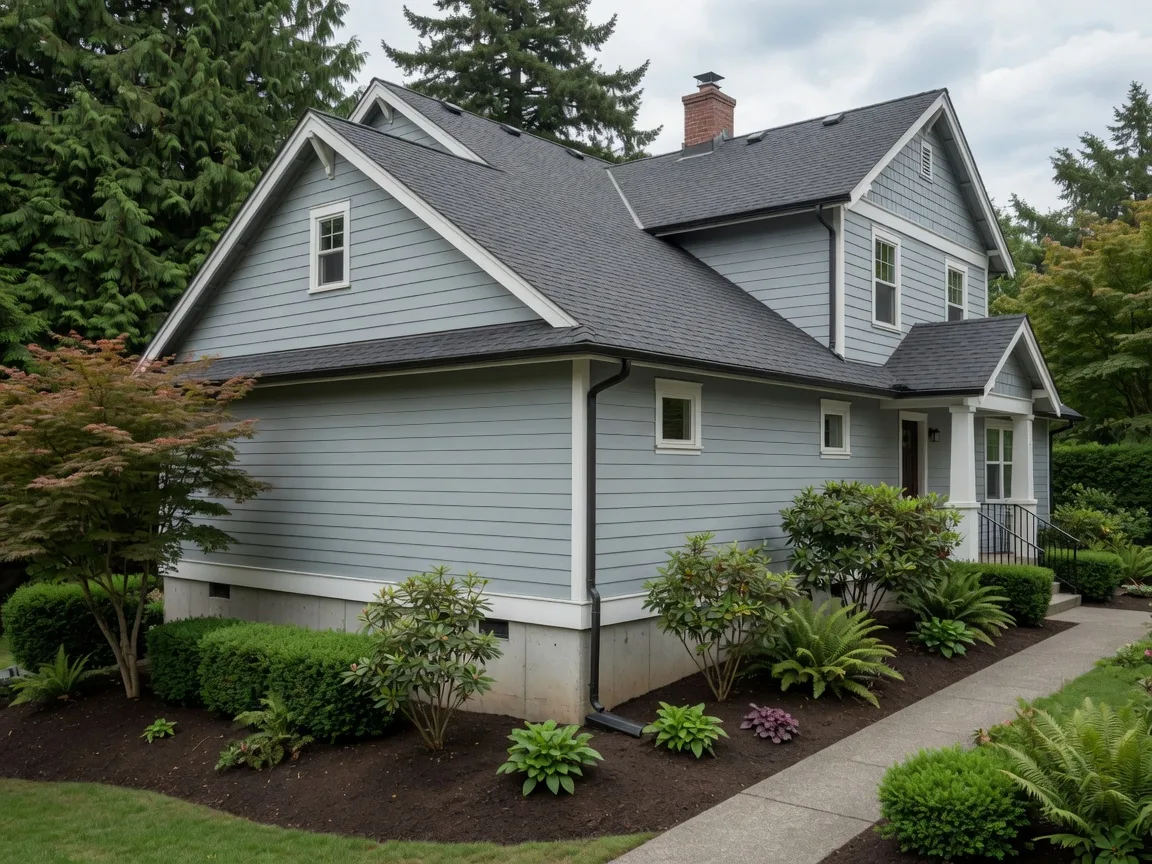
Condition and location deserve as much attention as the photos
// Learn from the common ones
First-Time Homebuyer Mistakes Worth Avoiding
These are the patterns Curt sees most often with first-time buyers. None of them are costly if you know about them in advance, which is exactly why they are worth reading now.
Assuming you need 20% down
Most first-time buyers do not need 20% down. Many programs allow far less, and assistance may help. Ask a lender what actually applies to you before you rule out buying.
Shopping before understanding financing
Looking at homes before you know your price range wastes time and can be discouraging. A preapproval conversation early gives your search a realistic starting point.
Focusing only on the mortgage payment
Taxes, insurance, HOA dues, utilities, and maintenance are part of the real monthly cost. A home that fits the mortgage but not the full budget creates strain later.
Ignoring closing costs and future maintenance
Closing costs add up beyond the down payment, and every home needs upkeep. Planning for both keeps your first year of ownership comfortable rather than stressful.
Waiving important protections without understanding the risks
Waiving inspections or contingencies can make an offer stronger, but it also removes protection. Make any waiver with a full understanding of what you are giving up, never casually.
Making major credit or financing changes before closing
New loans, large purchases, or job changes between offer and closing can derail your financing. Keep your finances steady until the deal is done.
Failing to understand the purchase contract
The purchase agreement sets your deadlines, contingencies, and rights. Read it, and have an agent or attorney explain anything unclear before you sign.
Choosing a property without evaluating condition and location needs
A great price on a home with expensive problems, or in a location that does not fit your daily life, is rarely a bargain. Look at the property's condition and your commute and community needs together.
// Q & A
First-Time Homebuyer FAQs, Snohomish County, Washington
Straight answers to the questions first-time buyers ask most. Search the list, or ask Curt directly and your question becomes the next good answer.
Want answers for your situation?
Every first-time buyer starts somewhere different. Curt can help you understand the process and your options before you commit to anything.
Create My First Home Buying Plan01 How much money do I need to buy a first home in Washington?
There is no single number, because the cash you need depends on the home price, the loan program, your down payment, and your closing costs. Most first-time buyers need to cover the down payment, closing costs, earnest money, and a little cash in reserve. Depending on the program, the down payment can range from around 3 percent to 20 percent of the price, and closing costs often add roughly 2 to 5 percent more. Down payment assistance may cover part of that for eligible buyers. The most useful step is a preapproval conversation with a qualified lender, who can give you a realistic cash-to-close estimate for the homes you are considering.
02 Do I need 20% down to buy a house?
No. Twenty percent down is a common threshold for avoiding private mortgage insurance, but it is not required by most loan programs. Many buyers put down far less: conventional loans can work with a 3 to 5 percent down payment, FHA loans commonly allow around 3.5 percent, and VA and USDA loans can allow zero down for eligible borrowers. In Washington, down payment assistance programs may help cover some or all of the down payment for qualified buyers. The right choice depends on your credit, income, the property, and the program, so there is no one-size-fits-all answer. A qualified lender can show you which options fit your situation and what your payment would actually look like.
03 What down payment assistance programs are available in Snohomish County?
Washington offers several programs, mostly administered through the Washington State Housing Finance Commission, that may help eligible buyers cover a down payment or closing costs. WSHFC programs like Home Advantage pair a first mortgage with down payment assistance options, and programs may have income limits, purchase price limits, and homebuyer education requirements. Eligibility varies by borrower and purchase, and some assistance is a loan that must be repaid rather than free money. Because programs and their rules change, confirm the current details on the official WSHFC website and have an approved lender verify your eligibility before you plan around any program.
04 What credit score do I need to buy a house?
There is no universal credit score requirement, because each loan program sets its own standards and lenders can add their own. Conventional loans generally favor higher scores, FHA loans are often more flexible, and VA loans have their own guidelines, but specific minimums change and vary by lender. Your credit score also affects the interest rate and mortgage insurance you are offered, which means improving your score can lower your monthly payment. Rather than relying on a number you saw online, ask a qualified lender what the current requirements are for the programs you may use. Your lender is the person who can tell you where you stand and what to do about it.
05 How much house can I afford?
Your lender's maximum preapproval is a ceiling, not a target. A comfortable payment depends on your income, debts, down payment, credit, the interest rate, property taxes, insurance, and any HOA dues, plus ongoing utilities and maintenance. Many buyers find it wise to keep some room in their budget instead of stretching to the maximum approved amount. Look at the total monthly cost of owning a home, not just the mortgage payment. A preapproval tells you what a lender may lend; a thoughtful budget tells you what you can live with. Curt helps first-time buyers compare those numbers and match them to the right price range and community.
06 Can I buy a home with zero down?
For some eligible borrowers, yes. VA loans can allow eligible veterans and service members to buy with no down payment, and USDA loans can offer zero-down financing for eligible rural and some suburban properties, with income and location limits. Conventional and FHA loans generally require a down payment, though assistance programs may cover part or all of it for qualified buyers. Zero down is not available to everyone, and it does not mean there are no closing costs or cash to bring to closing. The honest answer depends on your eligibility, the property, and current program rules, so a qualified lender should verify what is actually available to you before you count on it.
07 Should I get preapproved before I start looking at homes?
Yes, it is one of the most useful steps you can take. A preapproval shows sellers you are a serious buyer, and it gives you a realistic price range so you do not spend time on homes you cannot buy. It also surfaces issues in your credit or income early, when there is still time to address them. Prequalification is a rough estimate, while preapproval involves the lender reviewing your documentation and is a stronger signal. You do not have to have preapproval before you first talk to an agent, though. A good first step is simply a conversation about your goals and budget, and Curt can connect you with lenders who make that process straightforward.
08 What are closing costs, and who pays them?
Closing costs are the fees you pay to finalize the purchase, and they typically include lender fees, title and escrow charges, recording fees, taxes, and prepaid items like property taxes and homeowners insurance. They are separate from the down payment and usually amount to a few percent of the purchase price. Buyers typically pay their own closing costs, sellers pay theirs, and the specifics are negotiated in the purchase agreement. Sellers may agree to credit buyers for part of their costs, but they are not required to. Your lender must provide a Loan Estimate early in the process that itemizes the expected costs, which is the best tool for understanding exactly what you will pay at closing.
09 What happens after my offer is accepted?
Once your offer is accepted, the clock starts on a series of steps that usually take several weeks. You will typically have your financing in order, the seller will provide required disclosures, and you will complete inspections and due diligence within the timeframes in your contract. Your lender orders an appraisal, title work proceeds, and you review and sign the final documents, often through escrow. Your earnest money is held and credited toward your purchase at closing. The exact sequence and deadlines are set by your purchase agreement, so it is important to track them carefully. Curt helps first-time buyers stay on top of every deadline so nothing slips through.
010 Do I need a buyer agent in Washington?
You are not required to use a buyer agent, but having one brings real advantages: representation, local market knowledge, and help with negotiations, inspections, and the details of your contract. In Washington, buyer representation is documented through a written brokerage services agreement, and you and your agent will agree on the terms, including how the broker is compensated. Buyers do not automatically get representation for free, and sellers are not required to pay buyer-broker compensation. Before you sign anything, make sure you understand what the agreement says about representation and compensation. Curt is glad to walk first-time buyers through exactly what the agreement means before they sign.
011 How long does it take to buy a home?
There is no fixed timeframe, because it depends on how long it takes to find the right home and how the transaction itself proceeds. From accepted offer to closing, a typical purchase runs several weeks, driven by your financing, inspections, appraisal, and the deadlines in your contract. The search phase before that can take anywhere from a few weeks to several months. A realistic plan separates what you control, like your budget, financing, and must-haves, from what the market controls, like inventory and competing offers. Curt helps first-time buyers understand how the timeline typically works so they can plan around it, without promising a specific closing date.
012 Is now a good time to buy a house?
That depends on your personal situation more than the market. The right time to buy is when you are financially ready, you have a stable plan, and a home fits your budget and goals. Market conditions, interest rates, and prices always shift, and no one can promise what a home will be worth later. For many first-time buyers, the bigger question is whether their monthly housing costs are manageable and whether they plan to stay long enough for a purchase to make sense. Curt helps buyers think through that honestly, with current local information and a clear view of their own finances, rather than trying to time the market.
// Where to look
Explore Snohomish County Communities
Snohomish County has a community to match almost any way you want to live, from lake towns to river valleys, waterfront cities to commuter-friendly suburbs. Housing styles, location, commuting, recreation, and property considerations all vary from town to town, so the right fit depends on your budget, your commute, and how you want to spend your time. Explore the city guides below for a closer look at each one. For school information, contact the official school district serving each community directly.
Marysville
Newer construction, strong value on the I-5 corridor, and a growing local downtown.
Everett
The county’s largest city, with waterfront, jobs, commuter rail, and a wide range of neighborhoods and housing types.
Lake Stevens
Lake living with beaches, parks, and a rapidly growing community around a real lake.
Snohomish
A historic river town with a walkable downtown, the Centennial Trail, and character homes of all ages.
Arlington
North-county balance with foothills access, established neighborhoods, and the Smokey Point hub on I-5.
Monroe
River valley living on US-2 with a small-town core and easy access to Everett and the mountains.
Lynnwood
The county’s urban gateway on the light rail line, with condos, townhomes, and established neighborhoods.
Edmonds
A waterfront community with a walkable downtown, Sound views, and a distinct small-city feel.
Mukilteo
Possession Sound views, the Whidbey Island ferry, Old Town, and planned communities like Harbour Pointe.
Bothell
A growing town at the county’s south end with a revitalized downtown and strong connections to Seattle and the Eastside.
Which community fits you?
The right community depends on your household, budget, commute, and preferences, not on assumptions about who should live where. Curt can help you compare neighborhoods based on what actually matters to you, so you choose a place that fits your life. Browse all the city guides for the full picture.
Browse All City Guides// Start the conversation
Ready to Take the First Step Toward Homeownership?
Whether you're ready to buy now or just starting to explore your options, Curt can help you understand the buying process, your financing, and which communities might fit your budget. Share a few details below and he will reach out with a clear, no-pressure next step. You do not need preapproval, a down payment, or all the answers to start the conversation.
Keller Williams North Sound, 1027 State Ave. Ste 102, Marysville, WA 98270
AI-certified broker. Curt combines 22+ years of local real estate experience with modern technology and marketing to give every client an advantage.
Create My First Home Buying Plan
Tell Curt where you are in the process. He replies personally and will help you understand what it takes to buy your first home. No credit scores, income, or bank details are needed here, only a way for him to reach you.

Broker · Wa Lic 51380
// About Curt Simmons
An experienced local broker for your first home.
Curt Simmons is a real estate broker with Prime Listings Group at Keller Williams North Sound, and he has been helping buyers and sellers in Snohomish County since 2003. With more than two decades of local experience, he brings a steady hand to first-time purchases, from understanding your budget to negotiating the details that protect you.
- Helping buyers and sellers in Snohomish County since 2003.
- More than two decades of local real estate experience.
- Years of first-time buyer guidance and education.
- Strong local pricing and market knowledge.
- Skilled negotiation and clear, proactive communication.
- Residential and commercial construction background as a master electrician.
- Hands-on attention to detail on every transaction.
- A commitment to informed decisions, never pressure.
Curt is committed to informed decisions, not pressure. He explains your options, answers your questions, and lets you move at the pace that feels right. His construction background and hands-on attention to detail mean he sees the homes you tour the way a builder would, which is exactly what a first-time buyer needs on their side.
// Where to look next
Helpful Resources for Washington First-Time Homebuyers
The links below point to the official sources for homebuyer education, financing, down payment assistance, and the real estate laws that protect Washington buyers. Start there for current details, and reach out to Curt for help turning that information into a plan.
Official resources
From this site
Where Curt works
Curt serves all of Snohomish County, Washington, including Marysville, Lake Stevens, Snohomish, Everett, Arlington, Monroe, Mill Creek, Mukilteo, Lynnwood, Edmonds, Stanwood, and surrounding communities.
Contact & ScheduleDisclaimer
Information on this website is for general educational purposes and is not mortgage, legal, tax, or financial advice. Loan programs, down payment assistance, interest rates, eligibility requirements, and market conditions may change. Consult an appropriately licensed mortgage professional regarding your financing options.